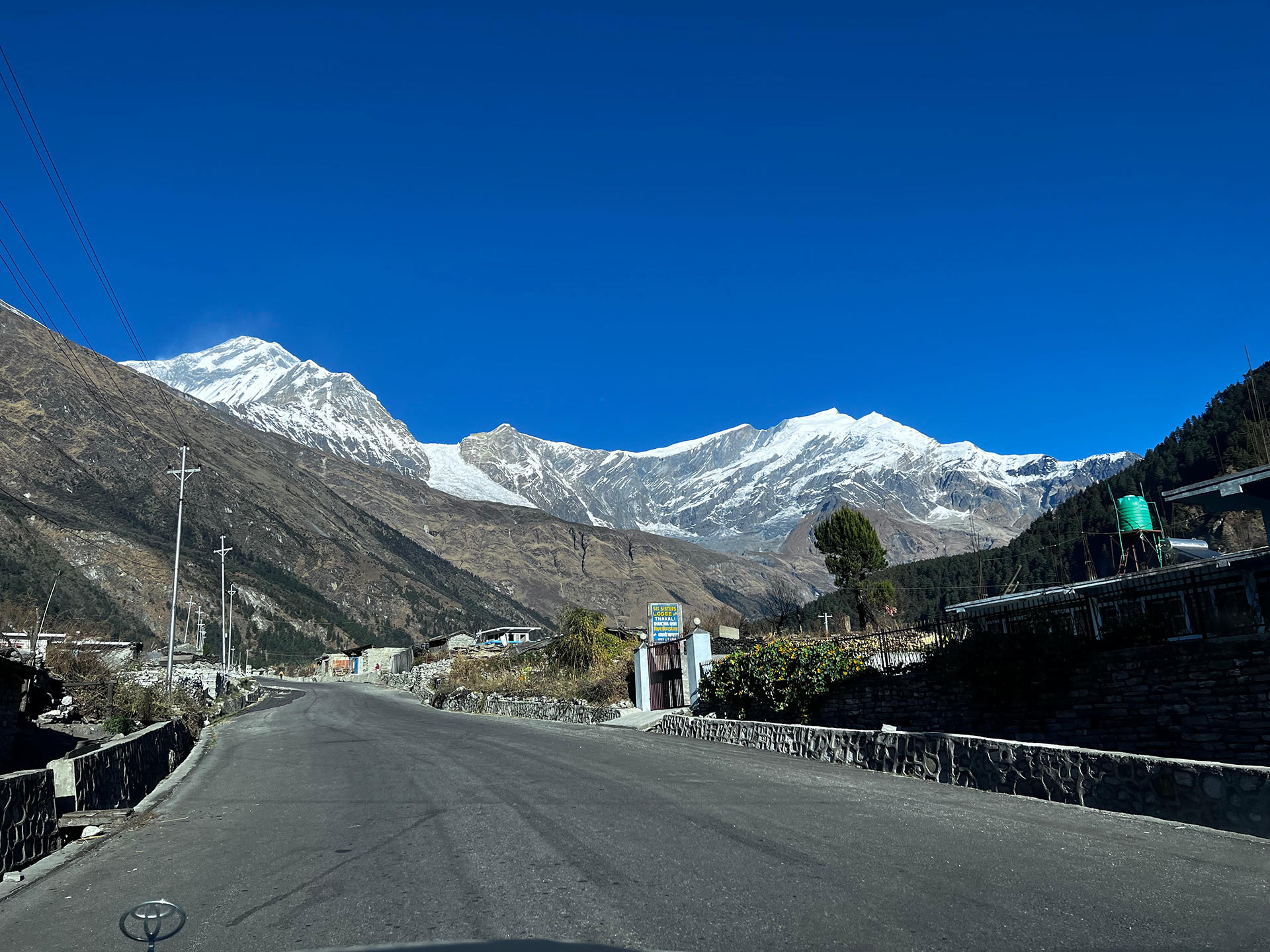
Nepal is home to the world’s highest mountains, breathtaking landscapes, a rich cultural heritage, and some of the finest trekking and mountaineering destinations on Earth. Every year, thousands of visitors travel to Nepal to experience the Himalayas, from gentle cultural walks to challenging high-altitude treks and mountaineering expeditions.
However, a successful journey in Nepal is not determined solely by reaching a destination or standing on a summit. It is achieved through careful planning, experienced leadership, professional management, responsible tourism practices, and genuine Himalayan hospitality from arrival to departure.
A truly successful trekking holiday or mountaineering expedition should leave every visitor with unforgettable memories, complete confidence in the people they traveled with, and a desire to return to Nepal again.
Success begins long before the trek starts and continues until every guest returns home safely with unforgettable memories and a smile.
The foundation of every successful trek or expedition is careful planning.
Every itinerary should be designed according to:
A well-planned itinerary allows trekkers to enjoy the journey without unnecessary stress or exhaustion while reducing the risk of altitude-related illness.
The goal is not simply to complete the trek quickly, but to complete it safely, comfortably, and confidently, while enjoying every step of the journey.
Providing accurate, honest, and reliable information before arrival is essential.
Guests should clearly understand:
Honest communication builds trust, prevents unrealistic expectations, and helps guests prepare for their adventure with confidence.
There should never be hidden costs, misleading promises, or unrealistic expectations.
A successful trekking company requires professional office management working closely with experienced field staff.
The management team should ensure:
Well-organized management allows trekking guides to concentrate fully on the safety, comfort, and well-being of their guests throughout the journey.
The trekking guide is the most important person during any Himalayan journey.
A professional guide should possess:
An outstanding guide also shares valuable knowledge about:
A knowledgeable guide transforms every trek into an educational, enjoyable, safe, and unforgettable Himalayan experience.
Happy staff create happy guests.
The well-being of guides, assistant guides, cooks, kitchen staff, and porters is just as important as the comfort of our guests.
Responsible trekking companies should provide:
When trekking staff feel respected, valued, and motivated, they naturally provide better service, creating a positive atmosphere and a more enjoyable experience throughout the journey.
High altitude is one of the greatest challenges in the Himalayas.
A successful trek depends on proper acclimatization and responsible altitude management.
Well-planned itineraries should include:
Professional guides should be able to recognize the early signs and symptoms of:
Prompt decision-making can save lives.
No mountain, viewpoint, or summit is ever worth risking a human life. A safe return is always the greatest achievement.
Maintaining good health throughout the trek is essential for both safety and enjoyment.
Trekkers should drink plenty of safe water every day to remain properly hydrated, especially at higher altitudes.
Guides should advise guests on:
Proper nutrition and hydration play an important role in successful acclimatization, improved physical performance, faster recovery, and overall well-being throughout the journey.
Choosing clean, comfortable, and hygienic accommodation is an important responsibility of both the trekking company and the trekking guide.
Lodges should provide:
A good night’s sleep is essential for physical recovery, successful acclimatization, and overall enjoyment during the trek.
Clean accommodation, nutritious food, and warm hospitality help create a comfortable environment where trekkers can relax, recover, and prepare for the next day’s adventure.
Nepal offers excellent trekking opportunities throughout the year, but each season has its own unique weather conditions and trekking experiences.
Professional trekking companies carefully adjust itineraries according to the season to ensure greater safety, comfort, and overall enjoyment.
Carefully planning a trek according to the season helps improve safety, comfort, and the overall trekking experience.
Mountain weather can change quickly and unexpectedly.
Professional trekking companies continuously monitor weather forecasts and maintain flexible itineraries to respond safely to changing conditions.
They should always be prepared for possible:
Honest communication and realistic expectations help guests remain informed and confident when unexpected situations arise.
Flexibility, patience, and good decision-making are essential for every successful Himalayan adventure.
Every professional trekking company should have a clear and well-organized emergency response plan.
Professional guides should carry:
Quick decision-making and well-coordinated emergency responses can significantly improve guest safety and, in some situations, save lives.
Proper preparation provides confidence for both guests and trekking staff throughout the journey.
Mountaineering requires even higher standards of planning, preparation, and safety than trekking.
Every successful expedition depends on careful organization and experienced leadership.
Successful mountaineering expeditions require:
Successful mountaineering is not measured simply by reaching the summit, but by ensuring that every climber returns safely.
The true success of every expedition is a safe return for every member of the team.
The Himalayas are among the world’s greatest natural treasures.
Every visitor shares the responsibility of protecting them for future generations.
Responsible trekking includes:
Protecting the Himalayas helps preserve their extraordinary beauty, biodiversity, and fragile mountain environment for future generations to enjoy.
Nepal is a multicultural country with diverse ethnic communities, languages, traditions, and religions.
Visitors are encouraged to:
Respecting local culture creates meaningful connections between visitors and local communities while helping preserve Nepal’s rich cultural heritage.
Supportive tourism policies play an important role in the continued growth of Nepal’s tourism industry.
Effective government initiatives include:
Close cooperation between government authorities and private trekking companies helps maintain Nepal’s reputation as one of the world’s leading adventure travel destinations.
Guest satisfaction should always remain the highest priority.
Professional trekking companies continuously seek feedback and strive to improve every aspect of their service.
Attention to even the smallest details often makes the greatest difference, including:
Happy guests often become lifelong friends, returning visitors, and proud ambassadors for Nepal.
Responsible tourism should create lasting benefits for local communities as well as unforgettable experiences for visitors.
Professional trekking companies should actively support:
When tourism directly benefits local people, it contributes to long-term environmental conservation, sustainable community development, and stronger local economies.
Successful trekking and mountaineering in the Nepal Himalayas are built on careful planning, experienced leadership, teamwork, responsible tourism, and genuine Himalayan hospitality.
Success is not measured simply by reaching Everest Base Camp, crossing a high mountain pass, or standing on the summit of a mountain. True success is measured by the safety, enjoyment, and satisfaction of every guest throughout the journey.
A professional trekking company combines experienced management, knowledgeable guides, dedicated staff, thoughtful planning, environmental responsibility, and respect for local culture to create safe, enjoyable, and memorable Himalayan experiences.
The greatest achievement in the mountains is not simply reaching the destination—it is returning home safely with unforgettable experiences, lasting friendships, and a deep appreciation for the Himalayas and its people.
At E.B.C. Treks & Expedition Pvt. Ltd., these principles guide every journey we organize. We are committed to helping our guests explore the Himalayas safely, responsibly, and with confidence while creating memories that will last a lifetime.