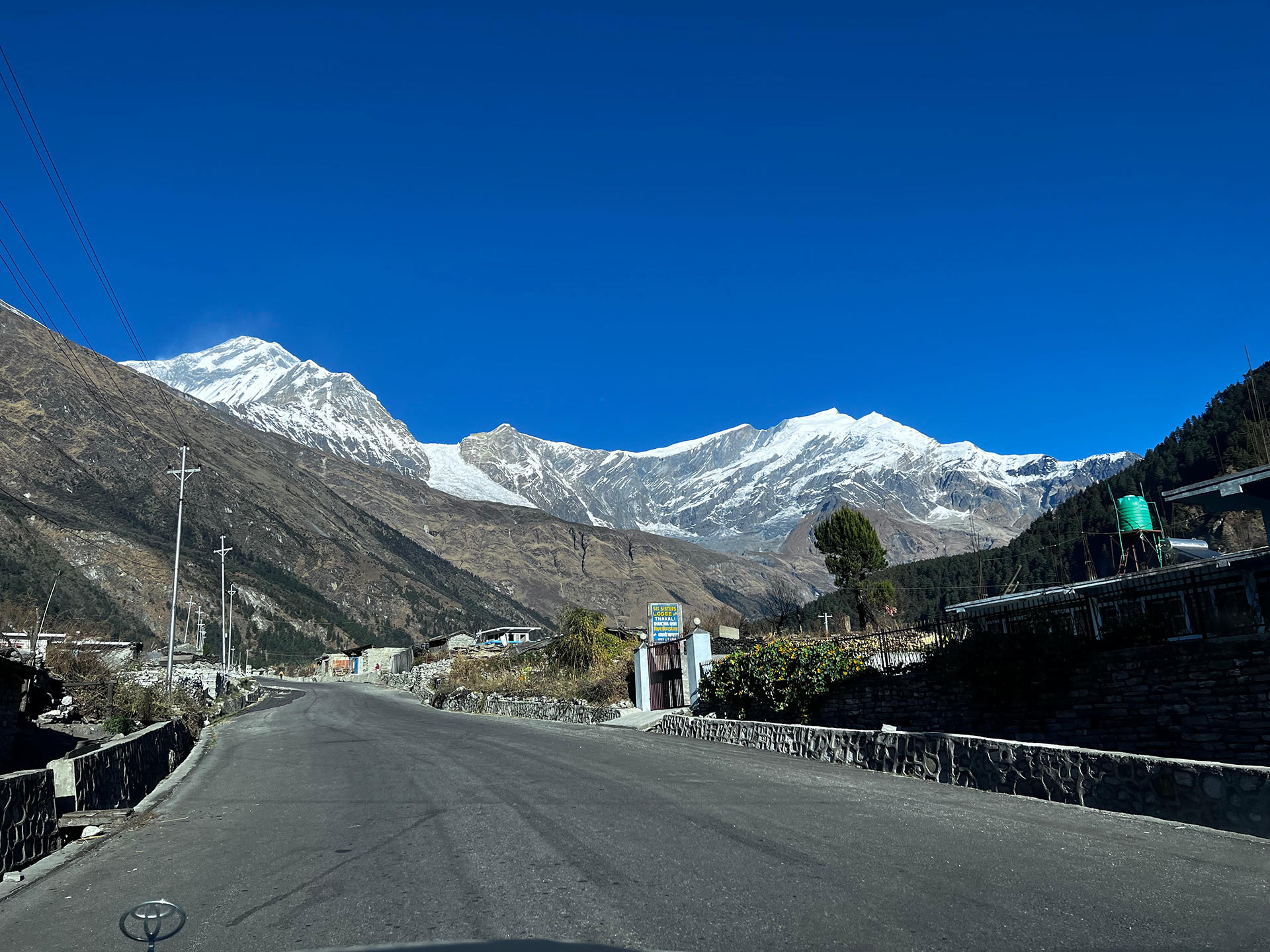
Nepal is one of the world’s most extraordinary travel destinations, where breathtaking Himalayan landscapes, ancient civilizations, vibrant cultures, remarkable wildlife, and genuine hospitality come together to create an unforgettable travel experience. Whether you dream of trekking to Everest Base Camp, exploring the Annapurna region, climbing Himalayan peaks, discovering remote mountain villages, visiting sacred temples and monasteries, enjoying a wildlife safari, or experiencing Nepal’s rich cultural heritage, every visit offers memories that will last a lifetime.
This General Travel Information Guide has been carefully prepared to help you plan your holiday and answer many of the questions travellers commonly ask before visiting Nepal. It provides practical travel advice, essential information, and useful recommendations to help ensure that your holiday is safe, comfortable, and enjoyable.
We encourage you to read this guide before your departure. A little preparation before you travel will help you make the most of your time in Nepal, allowing you to enjoy your Himalayan adventure with confidence and peace of mind.
Before travelling to Nepal, please ensure that you have completed the following:
Taking a little time to prepare before your departure will help ensure a smooth and enjoyable holiday in Nepal.
To help us prepare for your arrival and organize your holiday efficiently, we kindly ask you to send us the following information before you travel:
Providing this information in advance enables us to prepare the necessary permits, confirm transportation, arrange airport transfers, and ensure everything is ready for your arrival.
To help make your journey as smooth and stress-free as possible, we recommend the following:
Allowing a little flexibility in your itinerary will greatly reduce travel stress and help ensure a more enjoyable holiday.
Most foreign nationals can obtain a Tourist Visa on Arrival at Tribhuvan International Airport (Kathmandu) or at designated land border entry points. Alternatively, you may obtain a tourist visa before travelling from a Nepalese Embassy or Consulate in your home country.
Your passport must be valid for at least six months from the date of your arrival in Nepal.
| Duration | Fee |
|---|---|
| 15 Days (Multiple Entry) | USD 30 |
| 30 Days (Multiple Entry) | USD 50 |
| 90 Days (Multiple Entry) | USD 125 |
Tourist visas may be extended within Nepal for a maximum stay of 150 days per calendar year, subject to the regulations of the Department of Immigration. Visa extension fees and overstay penalties apply where applicable.
Obtaining a Visa on Arrival is generally quick and straightforward.
Simply:
Completing the online visa application before your departure can help reduce waiting time at the airport.
For the latest visa requirements, eligible nationalities, fees, and online application, please visit the Department of Immigration, Nepal.
Upon your arrival at Tribhuvan International Airport (TIA), Kathmandu, a representative from E.B.C. Treks & Expedition Pvt. Ltd. will be waiting outside the arrival terminal to warmly welcome you.
Our representative will be holding either:
After completing immigration formalities, collecting your luggage, and passing through customs, simply exit the terminal building, where our representative will greet you and transfer you comfortably to your hotel.
If your flight is delayed, cancelled, or rescheduled, please inform us as soon as possible. This allows us to adjust your airport transfer arrangements and ensure that someone is there to meet you upon your arrival.
The official currency of Nepal is the Nepalese Rupee (NPR).
Foreign currencies can be exchanged at licensed money exchange counters, commercial banks, and many hotels in Kathmandu, Pokhara, and other major cities. Licensed exchange counters generally offer competitive exchange rates and are widely available in tourist areas.
For the best exchange experience, we recommend:
If you plan to bring US Dollars, Euros, British Pounds, Australian Dollars, Canadian Dollars, Swiss Francs, Japanese Yen, or other major currencies, ensure the notes are in good condition.
ATMs are widely available in Kathmandu, Pokhara, and other major towns. Most accept international Visa, Mastercard, and UnionPay cards.
Please note:
Major hotels, restaurants, and larger shops in Kathmandu and Pokhara generally accept international credit cards.
However:
Before leaving Kathmandu or Pokhara, we strongly recommend withdrawing or exchanging enough Nepalese Rupees to cover your personal expenses during your trek.
It is also helpful to carry a selection of smaller denomination Nepalese banknotes, as they are more convenient for purchasing snacks, drinks, souvenirs, or paying for small services in villages where change may be limited.
For more information about personal expenses during your trek, please refer to the Money During Your Trek section later in this guide.
Nepal is a year-round travel destination, with each season offering its own unique beauty and experiences. The best time to visit depends on your interests, chosen itinerary, and the type of adventure you are seeking.
Spring is one of the most popular seasons for trekking and mountaineering. The weather is generally warm and stable, with clear mountain views and forests bursting into colour as rhododendrons and other wildflowers bloom across the hillsides.
Spring is an excellent season for:
Summer brings warmer temperatures and the annual monsoon, with frequent rainfall across much of Nepal, particularly in the hills and lower elevations. The countryside becomes lush and green, rivers flow at their fullest, and agricultural landscapes are at their most vibrant.
Although some trekking trails may become muddy or affected by rain, the rain-shadow regions of Upper Mustang, Dolpo, and parts of the Nar Phu Valley remain excellent trekking destinations during this season.
Summer is ideal for:
Autumn is widely regarded as the finest season for travelling in Nepal. Following the monsoon rains, the skies are usually crystal clear, temperatures are comfortable, and mountain views are at their best.
This is also the country’s main trekking season, when trails are lively and many of Nepal’s most important festivals take place.
Autumn is ideal for:
Winter offers crisp mountain air, peaceful trails, and spectacular Himalayan scenery. Days are often sunny and clear, although temperatures can be very cold at higher elevations, especially during the night.
Lower-altitude treks and cultural tours remain comfortable throughout the winter, while higher mountain routes may experience snowfall and colder conditions.
Winter is ideal for:
Every season offers something different, and there is no single “best” time to visit Nepal for everyone.
Your ideal travel season depends on:
We will be pleased to recommend the most suitable itinerary and travel season based on your interests and travel plans.
As weather in the Himalayas can change quickly at any time of the year, we recommend packing appropriate clothing for a range of temperatures and conditions.
No compulsory vaccinations are currently required for most travellers entering Nepal. However, we recommend consulting your doctor or a travel health clinic several weeks before departure for the latest medical advice based on your personal health, travel plans, and recent travel history.
Depending on your itinerary and individual circumstances, your doctor may recommend routine travel vaccinations.
If you take prescription medication, please:
If you have any existing medical conditions, allergies, or dietary requirements that may affect your tour or trek, please inform us before your arrival. This enables us to prepare appropriately and provide assistance whenever possible during your holiday.
While medical facilities are readily available in Kathmandu, Pokhara, and other major towns, healthcare services become increasingly limited in remote mountain regions. For this reason, proper preparation and comprehensive travel insurance are strongly recommended.
Comprehensive travel insurance is mandatory for all trekking, climbing, mountaineering, and adventure holidays organized by E.B.C. Treks & Expedition Pvt. Ltd.
Travelling in the Himalayas often involves remote mountain regions where medical facilities are limited and emergency evacuation can be expensive. Appropriate travel insurance provides essential financial protection and peace of mind throughout your journey.
Before travelling to Nepal, please ensure that your insurance policy covers all activities included in your itinerary and remains valid for the maximum altitude you will reach during your trip.
Your policy should include:
We recommend carrying both printed and digital copies of your insurance policy, emergency contact information, and your insurance company’s 24-hour emergency assistance details throughout your journey.
Please provide us with your travel insurance details before your arrival or at the latest before your trek begins.
Without suitable travel insurance, emergency medical treatment, rescue, evacuation, and related expenses may become your personal responsibility.
Many of Nepal’s most popular trekking routes reach elevations above 3,000 metres (9,843 ft), where the air becomes thinner and oxygen levels gradually decrease. As altitude increases, the risk of Acute Mountain Sickness (AMS) also increases.
Altitude sickness can affect anyone, regardless of age, physical fitness, or previous trekking experience.
Early symptoms may include:
Recognizing these symptoms early is essential. Ignoring them may allow the condition to worsen and develop into more serious forms of altitude illness.
Although altitude sickness cannot always be prevented, the risk can be greatly reduced by following a few simple guidelines:
Our trekking itineraries have been carefully designed to include appropriate acclimatization days wherever necessary, helping your body adjust safely to higher elevations.
Your guide is trained to recognize the early signs of altitude sickness and will monitor the health and well-being of all group members throughout the trek.
If your guide believes that continuing to a higher altitude could place your health or safety at risk, they may recommend additional rest, a change of itinerary, or immediate descent.
These decisions are made solely in the interest of your safety and should always be respected.
If symptoms become severe or continue to worsen, immediate descent is the most effective treatment.
Depending on the situation, additional medical treatment or emergency helicopter evacuation may be required if weather conditions permit.
Your health and safety will always take priority over reaching a planned destination or summit.
Although emergencies are uncommon, they can occur during adventure travel in the Himalayas. In the event of serious illness, injury, or severe altitude sickness, emergency medical assistance and helicopter evacuation may be arranged whenever weather conditions and operational circumstances permit.
Our guides and office staff will coordinate with local medical services, rescue providers, and your travel insurance company to arrange emergency assistance as quickly as possible.
Please note:
For your own safety, we strongly recommend carrying:
Being properly prepared can help speed up rescue arrangements if an emergency arises.
Many trekking and adventure holidays in Nepal include domestic flights to remote mountain airports such as Lukla, Jomsom, Simikot, Dolpa, Jumla, Taplejung, Tumlingtar, and other destinations.
Flying among the Himalayas is often one of the highlights of visiting Nepal, offering spectacular views of snow-capped peaks, deep valleys, and dramatic mountain landscapes. However, mountain flights are also highly dependent on weather conditions and operational safety.
Weather in the Himalayas can change rapidly, particularly during the spring and autumn trekking seasons when air traffic is at its busiest.
For the safety of passengers and crew, flights may be delayed, rescheduled, or cancelled due to:
These decisions are made solely by the airline and aviation authorities, and passenger safety always takes priority.
To help avoid unnecessary stress and unexpected travel disruptions, we recommend:
A little extra time in your itinerary can make a significant difference if weather delays occur.
All domestic flights in Nepal operate under the regulations of the Civil Aviation Authority of Nepal (CAAN).
Flight schedules, departure times, aircraft types, and routes may change without prior notice due to weather conditions, operational requirements, or aviation safety regulations.
We appreciate your patience and understanding should any changes become necessary.
Most mountain flights in Nepal allow:
This provides a total baggage allowance of 15 kg per passenger.
Please note that baggage limits may vary slightly depending on the airline, aircraft type, and destination.
If your luggage exceeds the permitted allowance:
If you are carrying luggage that is not required during your trek, we recommend storing it at your hotel in Kathmandu or Pokhara whenever possible. Most hotels provide secure luggage storage free of charge or for a small fee.
Travelling with only the equipment you need during your trek makes your journey more comfortable and helps reduce the load carried by porters.
Accommodation in Nepal varies according to your itinerary, destination, and the type of holiday you have chosen.
In Kathmandu and Pokhara, we carefully select comfortable tourist-standard, boutique, deluxe, or luxury hotels according to your chosen travel package.
Depending on the hotel category, facilities may include:
Our aim is to provide clean, comfortable accommodation where you can relax before and after your adventure.
During most trekking holidays, accommodation is provided in locally owned tea houses or mountain lodges.
These family-run establishments offer a warm welcome and provide an authentic opportunity to experience the hospitality and daily life of the Himalayan people.
Rooms are generally simple but clean and comfortable, usually on a twin-sharing basis with basic furnishings.
At lower elevations, some tea houses offer private bathrooms. However, as you climb higher into the mountains, shared bathroom facilities become more common and accommodation becomes increasingly basic.
Facilities vary from village to village but generally include:
Please remember that almost everything used in the mountains—including food, fuel, building materials, and daily supplies—is transported by porters, pack animals, or helicopters. As a result, goods and services at higher elevations are naturally more expensive than in the cities.
We encourage travellers to embrace the simplicity of mountain life, where the genuine hospitality of local families often becomes one of the most memorable parts of the journey.
One of the highlights of travelling in Nepal is experiencing its delicious and diverse cuisine. Whether you are staying in the cities or trekking through the Himalayas, you will find a wide variety of freshly prepared meals to suit different tastes and dietary preferences.
Most tea houses offer an extensive menu featuring both traditional Nepali dishes and a selection of international favourites.
Popular meals include:
Dal Bhat is the most popular meal among trekkers and local people. It is freshly prepared, nutritious, and provides plenty of energy for long days on the trail. At most tea houses, free refills of rice and lentil soup are also available.
Vegetarian meals are widely available throughout Nepal. Vegan, gluten-free, and other special dietary requirements can often be accommodated with advance notice, although options may become more limited at higher elevations.
Staying well hydrated is especially important during trekking at higher altitudes.
We recommend drinking:
Avoid drinking untreated tap water or water from rivers and streams.
To help protect Nepal’s fragile mountain environment, we encourage all travellers to carry a reusable water bottle and avoid purchasing single-use plastic bottles whenever possible.
Nepal operates on 230 volts / 50 Hz electricity.
The most common plug types are:
Many hotels now provide universal power sockets, but this is not guaranteed, particularly in remote areas.
Electricity is available in most towns and trekking villages, although occasional power interruptions may occur, especially in remote mountain regions.
Most tea houses offer battery charging facilities for mobile phones, cameras, power banks, and other electronic devices. A small additional fee is usually charged for this service.
To avoid inconvenience during your trek, we recommend bringing:
Whenever electricity is available, it is a good idea to recharge your devices, as charging opportunities may become more limited at higher elevations.
Mobile phone coverage in Nepal has improved significantly in recent years and is available in most cities, towns, and many trekking regions.
The country’s two main mobile service providers are:
Both companies offer prepaid tourist SIM cards with voice, text, and data packages that can be purchased upon arrival in Kathmandu or Pokhara.
Wi-Fi is widely available in hotels, restaurants, cafés, and many tea houses along popular trekking routes.
Please note that:
Although staying connected is easier than ever, we encourage you to take time to disconnect from technology and fully enjoy the natural beauty and peaceful atmosphere of the Himalayas.
Once you leave Kathmandu or Pokhara, banking facilities become very limited, and ATMs are unavailable in most trekking regions.
Before starting your trek, we recommend carrying enough Nepalese Rupees (NPR) to cover your personal expenses.
These may include:
Carrying a combination of larger and smaller denomination banknotes is helpful, as small villages may have limited change available.
Your guide will be happy to advise you on the approximate amount of spending money recommended for your specific itinerary.
At E.B.C. Treks & Expedition Pvt. Ltd., we believe that responsible tourism plays an important role in protecting Nepal’s natural environment, cultural heritage, and local communities for future generations.
We are committed to promoting sustainable travel practices that benefit both visitors and the people who call the Himalayas home.
We encourage all travellers to:
Small actions by every traveller can make a significant contribution to preserving Nepal’s unique natural beauty and cultural heritage.
Our guides and porters are an essential part of every successful Himalayan adventure. Their knowledge, experience, dedication, and hard work help make your journey both safe and enjoyable.
At E.B.C. Treks & Expedition Pvt. Ltd., we are committed to ensuring the fair treatment and welfare of all our trekking staff.
We provide:
We proudly support responsible employment and sustainable tourism while helping improve the livelihoods of local mountain communities.
Nepal is a culturally diverse and deeply spiritual country where people of many ethnic communities, languages, and religions have lived together in harmony for centuries.
Showing respect for local customs will help you enjoy a richer travel experience while creating positive interactions with the communities you visit.
We kindly encourage visitors to:
A smile, patience, and respect for local traditions are often the best ways to connect with the people of Nepal.
Nepal offers countless opportunities for photography, from towering Himalayan peaks and ancient temples to colourful festivals, wildlife, and traditional village life.
To ensure respectful and responsible photography, please remember to:
The use of drones in Nepal is regulated by government authorities.
Special permits may be required before operating a drone, particularly within:
If you intend to bring a drone to Nepal, we recommend checking the latest government regulations before travelling. Our team will be happy to provide general guidance where possible.
Tipping is not compulsory in Nepal, but it is a long-standing tradition within the trekking and tourism industry and is greatly appreciated by guides, porters, drivers, and other support staff.
Tips are usually presented at the end of the trek or tour as a gesture of appreciation for good service.
The amount is entirely at your discretion and should reflect your overall satisfaction with the services provided.
While tipping is always voluntary, it is an important source of income for many tourism professionals and helps support their families and local communities.
Nepal is generally considered one of the safest travel destinations in Asia, and millions of visitors enjoy trouble-free holidays here every year.
However, as with travel anywhere in the world, sensible precautions are always recommended.
For your personal safety, we encourage you to:
By following these simple precautions, you can enjoy a safe, comfortable, and rewarding journey throughout Nepal.
Every trekking day in Nepal brings new landscapes, fresh experiences, and unforgettable mountain scenery. Although each itinerary is different, most trekking days follow a similar routine.
The day usually begins with an early morning wake-up call, followed by breakfast at the tea house while enjoying the peaceful mountain surroundings.
After breakfast, you will begin walking at a comfortable pace, following scenic trails through forests, traditional villages, rivers, suspension bridges, terraced fields, or alpine landscapes, depending on your route.
Along the way, your guide will schedule regular rest stops for tea, coffee, or refreshments, allowing you time to relax, enjoy the scenery, and take photographs.
After approximately 3 to 4 hours of walking, you will stop at a local tea house for lunch. Following a short rest, the afternoon walk is generally a little shorter, allowing you to reach the next overnight destination by mid or late afternoon.
Once you arrive at your tea house, you will have time to:
Dinner is usually served in the tea house dining room, where trekkers from around the world often gather to share stories and experiences. After dinner, most people choose to rest early in preparation for another rewarding day on the trail.
While every trekking day is different, each one offers new opportunities to discover Nepal’s spectacular landscapes, rich culture, and warm Himalayan hospitality.
Travelling in Nepal is about much more than reaching a destination. It is an opportunity to experience breathtaking mountain scenery, discover ancient cultures, meet welcoming local people, and create memories that will last a lifetime.
Adventure travel in the Himalayas also requires flexibility. Weather conditions, domestic flight schedules, road conditions, trail conditions, and other local circumstances can occasionally change without notice. A positive attitude, patience, and a spirit of adventure will help you make the most of every situation.
Good preparation, realistic expectations, and a willingness to embrace new experiences are the keys to a safe, enjoyable, and rewarding holiday in Nepal.
Whether you are visiting for a short cultural tour, a wildlife safari, a scenic trek, a challenging mountain expedition, or simply to experience the beauty of the Himalayas, we hope your journey will leave you with unforgettable memories and a lifelong connection to Nepal.
Thank you for taking the time to read our General Travel Information guide.
We hope the information provided helps you prepare for a safe, enjoyable, and memorable holiday in Nepal.
If you have any questions before your arrival, please do not hesitate to contact us. We will be pleased to assist you with your travel plans.
We wish you a safe journey and a wonderful Himalayan adventure with E.B.C. Treks & Expedition Pvt. Ltd.
Namaste!