16 Nights / 17 Days (arrival to departure)
moderate
4,984m / 16,351ft (Tsergo Ri)
Flexible, any number of participants is welcome
Nearly all year except the monsoon months
The 16 Nights / 17 Days Langtang Valley, Gosainkunda Lake & Lauribina La Pass Trek is a remarkable Himalayan journey combining breathtaking mountain landscapes, rich Tibetan-influenced culture, sacred alpine lakes, and a rewarding high-mountain pass crossing. This carefully designed adventure offers an ideal balance of scenic trekking, cultural discovery, and gradual acclimatization in one of Nepal’s most diverse trekking regions.
Your journey begins with international arrival in Kathmandu, where you explore UNESCO World Heritage Sites and prepare for the trek ahead. A scenic drive brings you to Syabrubesi, the gateway to the Langtang region, where the trekking adventure starts.
The trail ascends through traditional Tamang and Sherpa villages, lush rhododendron and pine forests, and beautiful river valleys as you enter the stunning Langtang Valley. Surrounded by towering Himalayan peaks, you reach Kyanjin Gompa, a picturesque high-altitude settlement offering panoramic views of Langtang Lirung and nearby glaciers. An acclimatization day provides optional hikes to viewpoints such as Kyanjin Ri or Tsergo Ri for unforgettable Himalayan panoramas.
After exploring the upper valley, the journey continues toward the sacred Gosainkunda Lakes — one of Nepal’s most important pilgrimage destinations for both Hindus and Buddhists. The pristine alpine lakes set against dramatic mountain scenery create one of the spiritual highlights of the trek.
The adventure reaches its highest point at Lauribina La Pass (4,610 m), offering spectacular views of the Langtang, Ganesh Himal, Annapurna, and Manaslu ranges. The trail then descends into the culturally rich Helambu region, known for peaceful villages, terraced hillsides, and scenic forest trails.
The trek concludes with a scenic drive back to Kathmandu, followed by leisure and buffer days for flexibility, relaxation, or additional exploration before your final international departure from Nepal.
This trek is ideal for travelers seeking a moderate to challenging Himalayan adventure that combines dramatic mountain scenery, authentic local culture, sacred landscapes, and diverse trekking environments — all within close reach of Kathmandu.
Explore Kathmandu’s UNESCO World Heritage Sites with ancient temples and rich cultural heritage
Scenic drive from Kathmandu to Syabrubesi and Kutumsang with beautiful Himalayan landscapes
Trek through the stunning Langtang Valley with views of Langtang Lirung (7,227m)
Visit the sacred Gosainkunda Lake (4,380m), an important Hindu and Buddhist pilgrimage site
Cross the adventurous Lauribina La Pass (4,610m) with breathtaking Himalayan panoramas
Walk through diverse landscapes of forests, alpine meadows, and yak pastures
Chance to spot wildlife such as red pandas, Himalayan thar, and mountain birds
Enjoy warm local hospitality in traditional tea houses with Tamang and Sherpa culture
Explore Kyanjin Gompa and hike to viewpoints like Kyanjin Ri for mountain views
Walk through traditional Tamang villages and experience authentic mountain life
16 Nights / 17 Days (arrival to departure) • Itinerary Overview
Welcome to Kathmandu! Nestled in the heart of the majestic Himalayas, Kathmandu — the vibrant and historic capital of Nepal — extends a warm and heartfelt welcome to you.
If you arrive on a clear day, your descent into Tribhuvan International Airport may reward you with breathtaking views of snow-capped Himalayan peaks — a spectacular first glimpse of the adventure that awaits.
Upon arrival, our friendly team will be waiting just outside the arrivals hall, holding a sign with your name or our company logo for easy identification. We will assist you with your luggage and provide a smooth and comfortable transfer to your hotel, conveniently located in the heart of the city.
After check-in, you will be welcomed with a refreshing drink and given time to relax and settle into your room. Later, we will host a detailed trip briefing where you will receive important information about your upcoming trek or tour, including itinerary logistics, safety guidelines, and equipment preparation. We will also assist with currency exchange for personal expenses in Kathmandu and during the trek, and gladly answer any questions you may have.
Depending on your arrival time, you may choose to take a short walk through the lively streets, explore colorful local markets, or visit nearby temples and stupas rich in culture and history. Alternatively, you may simply rest and recover from your journey. Whether you relax or explore, you can feel assured that your Himalayan adventure has begun in good hands.
Accommodation: Hotel
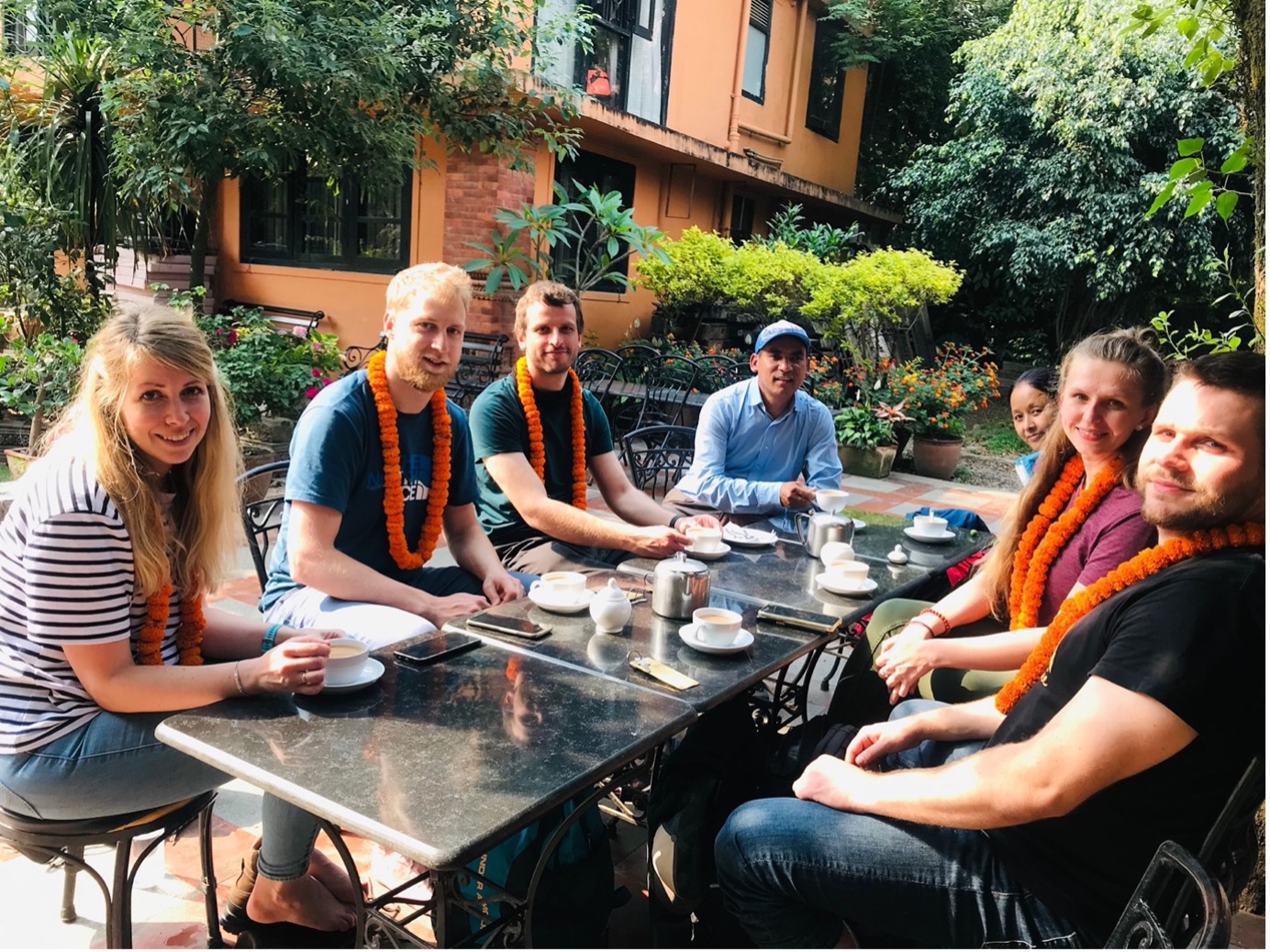
Your second day in Kathmandu is filled with cultural discovery and final preparations for your upcoming trekking adventure. After breakfast, you will enjoy a guided sightseeing tour of several UNESCO World Heritage Sites that showcase Nepal’s rich history, spirituality, and architectural beauty.
Kathmandu Durbar Square: Step back in time as you explore ancient palaces, courtyards, temples, and shrines that reflect Nepal’s royal history and remarkable craftsmanship.
Swayambhunath Stupa (Monkey Temple): Perched atop a hill overlooking the Kathmandu Valley, this sacred Buddhist site offers panoramic views of the city. Experience its peaceful atmosphere while observing prayer rituals and the playful monkeys that inhabit the area.
Pashupatinath Temple: Visit Nepal’s most sacred Hindu temple, situated along the banks of the Bagmati River. Here, you can observe traditional religious ceremonies and experience the deeply spiritual ambiance of this important pilgrimage site.
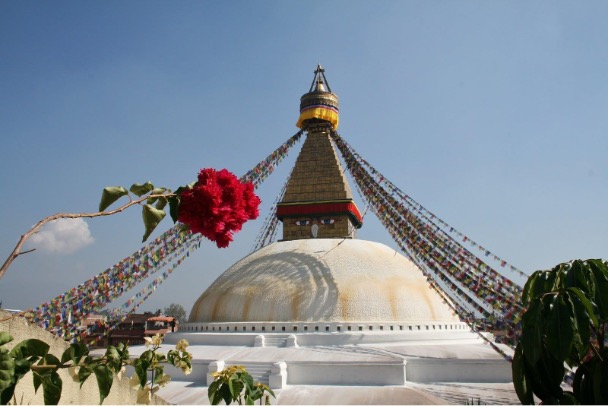
Boudhanath Stupa: One of the largest stupas in the world and a center of Tibetan Buddhist culture, Boudhanath radiates tranquility. Walk alongside pilgrims spinning prayer wheels, admire the magnificent structure, and watch colorful prayer flags flutter in the breeze.
In the evening, we will gather for a final trip briefing to review important trekking details, confirm logistics, and ensure all equipment is properly prepared. This is an excellent opportunity to ask any last-minute questions before the journey begins. Rest well tonight — tomorrow marks the start of your exciting Himalayan adventure.
Accommodation: Hotel
Meals: Breakfast and Lunch
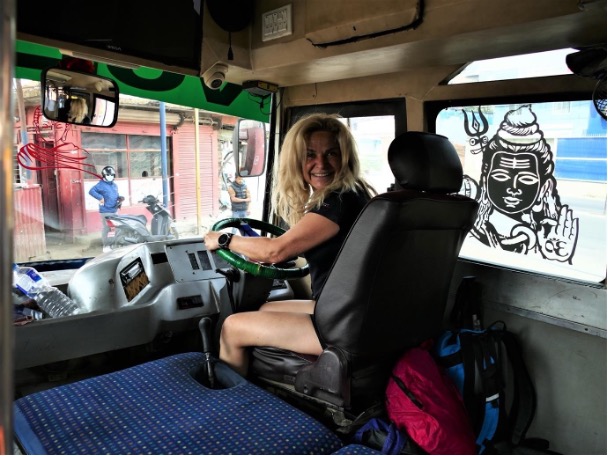
After an early breakfast, we depart Kathmandu and begin our scenic drive northwest toward Syabrubesi, the gateway to the Langtang Valley. The journey follows winding mountain roads alongside rivers, passing terraced farmland, traditional villages, and beautiful countryside landscapes. On clear days, distant views of snow-capped Himalayan peaks may appear along the route.
The road remains relatively smooth until reaching Trishuli Bazaar, after which it becomes more rugged as we gradually ascend toward Dhunche, the administrative center of the Langtang region. From Dhunche, the road descends through forested hillsides to Syabrubesi, a lively riverside town marking the starting point of our trek.
Upon arrival, you may relax at the teahouse, explore the village, or enjoy the nearby natural hot springs (time and conditions permitting).
Accommodation: Teahouse
Meals: Breakfast, Lunch, Dinner
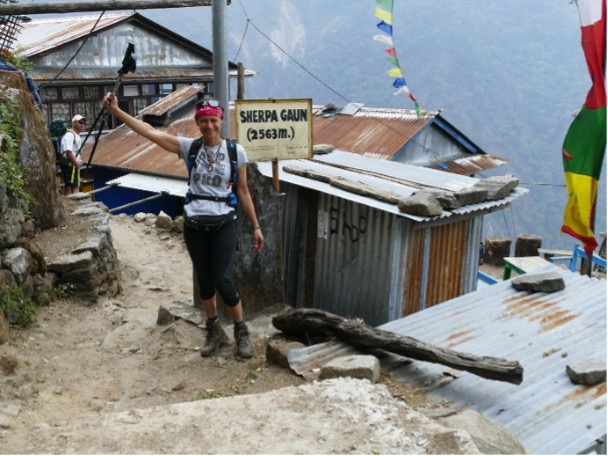
Today marks the beginning of our trekking adventure as we journey toward Sherpa Gaun, following a scenic and culturally rich trail. After a hearty breakfast, we leave Syabrubesi and start our walk by crossing a sturdy suspension bridge over the glistening Bhote Koshi River.
The trail then ascends steadily through forested hillsides, offering rewarding views as we gain altitude. Along the way, we experience the unique culture and lifestyle of the Tamang and Sherpa communities, whose heritage traces back to Tibetan roots. The climb brings us to Khanjima Village, a picturesque settlement known for its beautiful viewpoints and traditional mountain atmosphere.
Although the ascent is challenging, this newer route provides a quieter and more scenic alternative to the traditional gorge trail. In Khanjima, a charming Buddhist village, we pause for lunch and a well-earned rest while enjoying warm local hospitality and views of the surrounding hills and valleys.
After lunch, the trail becomes more gradual as we walk through lush rhododendron forests, cultivated fields, and peaceful countryside landscapes. By late afternoon, we arrive at Sherpa Gaun, a tranquil village offering impressive mountain views and an authentic Himalayan setting.
Tonight, we stay in a cozy teahouse, surrounded by the calm beauty of the mountains.
Accommodation: Teahouse
Meals: Breakfast, Lunch, Dinner
After breakfast, we continue our journey deeper into the Langtang Valley, trekking toward Ghodatabela. Leaving Sherpa Gaun behind, the trail follows a scenic cliffside route with sections that pass through natural rockfall areas. While these parts require careful walking and awareness, they add a sense of adventure to the day’s trek and offer impressive views of the rugged landscape.
After approximately an hour, the trail gradually descends to Rimche, where we join the main Langtang trekking route. From here, we continue through Lama Hotel and follow the Langtang Khola upstream, walking beneath dense forests of oak, pine, and rhododendron.
As the valley begins to widen, glimpses of the magnificent Langtang Lirung Himal appear, creating a dramatic mountain backdrop throughout the journey. Much of today’s walk takes place within lush forests and deep river gorges, offering a peaceful connection with nature.
Keep an eye out for wildlife along the trail — the region is home to the elusive red panda, Himalayan langur monkeys, Himalayan black bears, and wild boars, though sightings are rare and special.
By afternoon, we arrive at Ghodatabela, a small settlement surrounded by forest and mountain scenery, where we rest for the night.
Accommodation: Teahouse
Meals: Breakfast, Lunch, Dinner
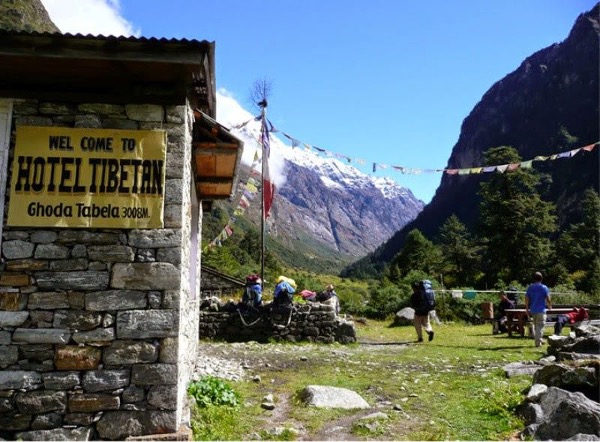
On the sixth day of our Langtang adventure, we journey toward Kyanjin Gompa, an important cultural and scenic highlight of the valley. This remote settlement, nestled among towering snow-capped peaks, represents the last inhabited area along this route by Tibetan communities.
Perched at an altitude of 3,830 m / 12,565 ft, Kyanjin Gompa welcomes trekkers with its serene charm, panoramic mountain views, and a deep sense of tranquility.
The trek to Kyanjin Gompa takes approximately 5 hours along a gentle, well-marked mountainside trail. Along the way, we will pass through picturesque villages, including the quaint hamlet of Langtang, and traverse verdant valleys dotted with grazing yaks, horses, and cows. The landscape is dominated by the imposing presence of Langtang Lirung, whose towering summit is a constant companion throughout our journey.
As we move closer to Kyanjin Gompa, the crisp mountain air, sweeping vistas, and peaceful ambiance provide moments of reflection and wonder. This day not only offers breathtaking natural beauty but also a glimpse into the local Tibetan culture, making it a memorable stage of our trek.
Accommodation: Teahouse
Meals: Breakfast, Lunch, Dinner
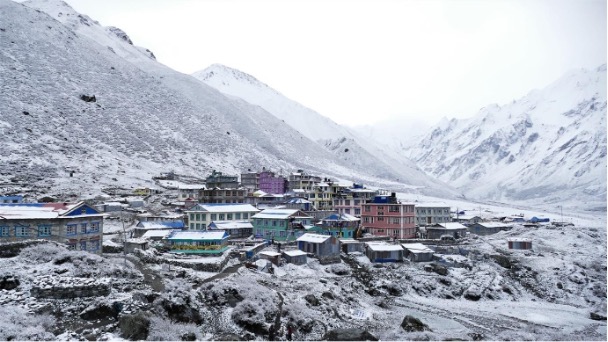
Today is a rest and exploration day in Kyanjin Village, allowing us to acclimatize, soak in the scenery, and experience the unique charm of this high-altitude settlement. For those eager for adventure, there are several rewarding day hikes to choose from:
The choice of destination can be tailored to the group’s interests, fitness levels, and energy, ensuring a personalized and rewarding experience for everyone.
Accommodation: Teahouse
Meals: Breakfast, Lunch, Dinner
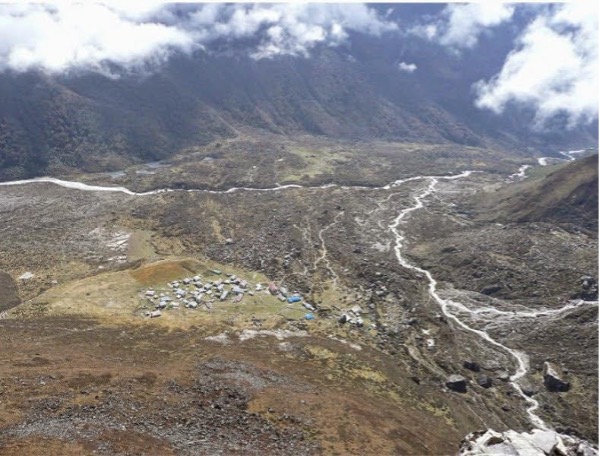
Today we begin our descent from Kyanjin Gompa, leaving behind the high alpine landscape and gradually returning to the lush forests and river valleys below. Although we follow the same trail used during the ascent, the journey offers a completely different perspective as the snow-covered peaks slowly fade into the distance and the Langtang Valley opens beneath us.
The trail passes through Langtang Village, Thyangsyap, and Ghodatabela, winding through beautiful forests of pine, oak, and rhododendron. The downhill walk is easier for breathing at lower altitude, though it can be more demanding on the knees, making trekking poles especially helpful for comfort and stability.
Following the Langtang Khola downstream, we arrive by afternoon at Lama Hotel — a peaceful settlement nestled beside the river. The warmer air, green surroundings, and soothing sound of flowing water create a relaxing and rewarding stop after several days at higher elevation.
Accommodation: Teahouse
Meals: Breakfast, Lunch, Dinner
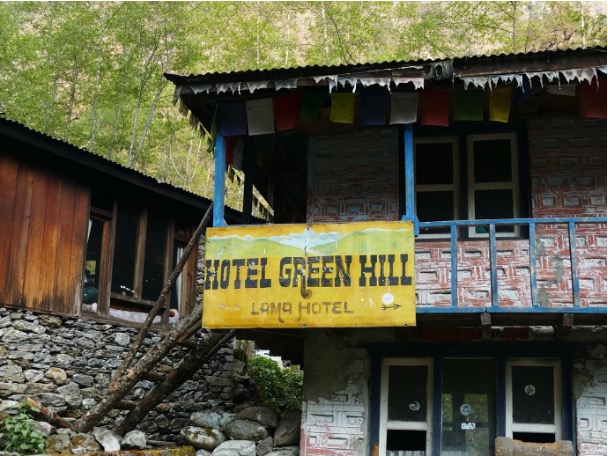
Today’s trek descends to the banks of the Langtang Khola, where a charming waterfall awaits. The trail meanders through rhododendron and bamboo forests, habitats for wildlife such as wild boars and monkeys. Stay observant to spot these creatures. Distant views of Ganesh Himal add to the day’s allure. After crossing a suspension bridge over the Langtang Khola, we arrive at the scenic village of Thulo Syabru.
Accommodation: Teahouse
Meals: Breakfast, Lunch, Dinner
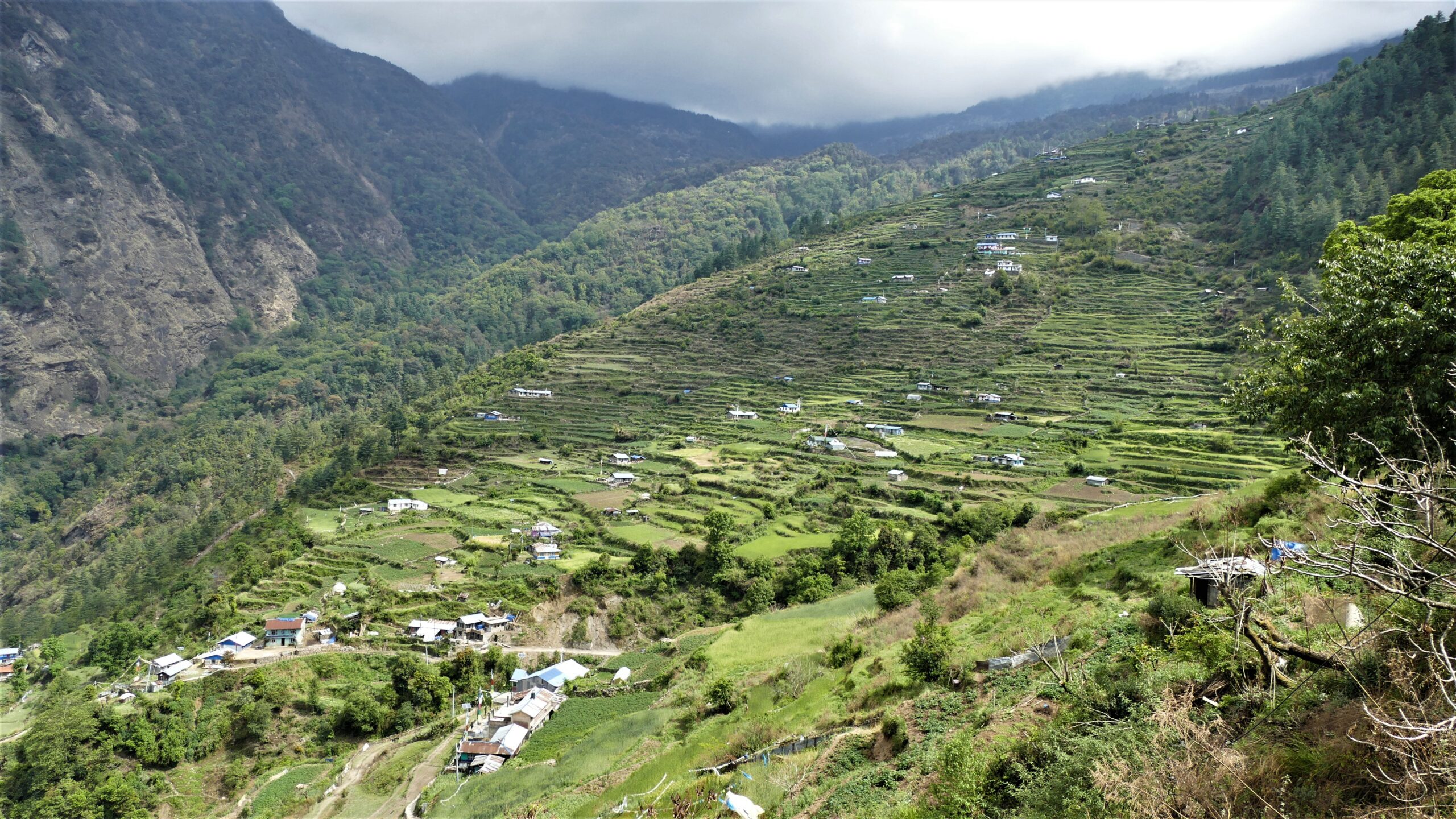
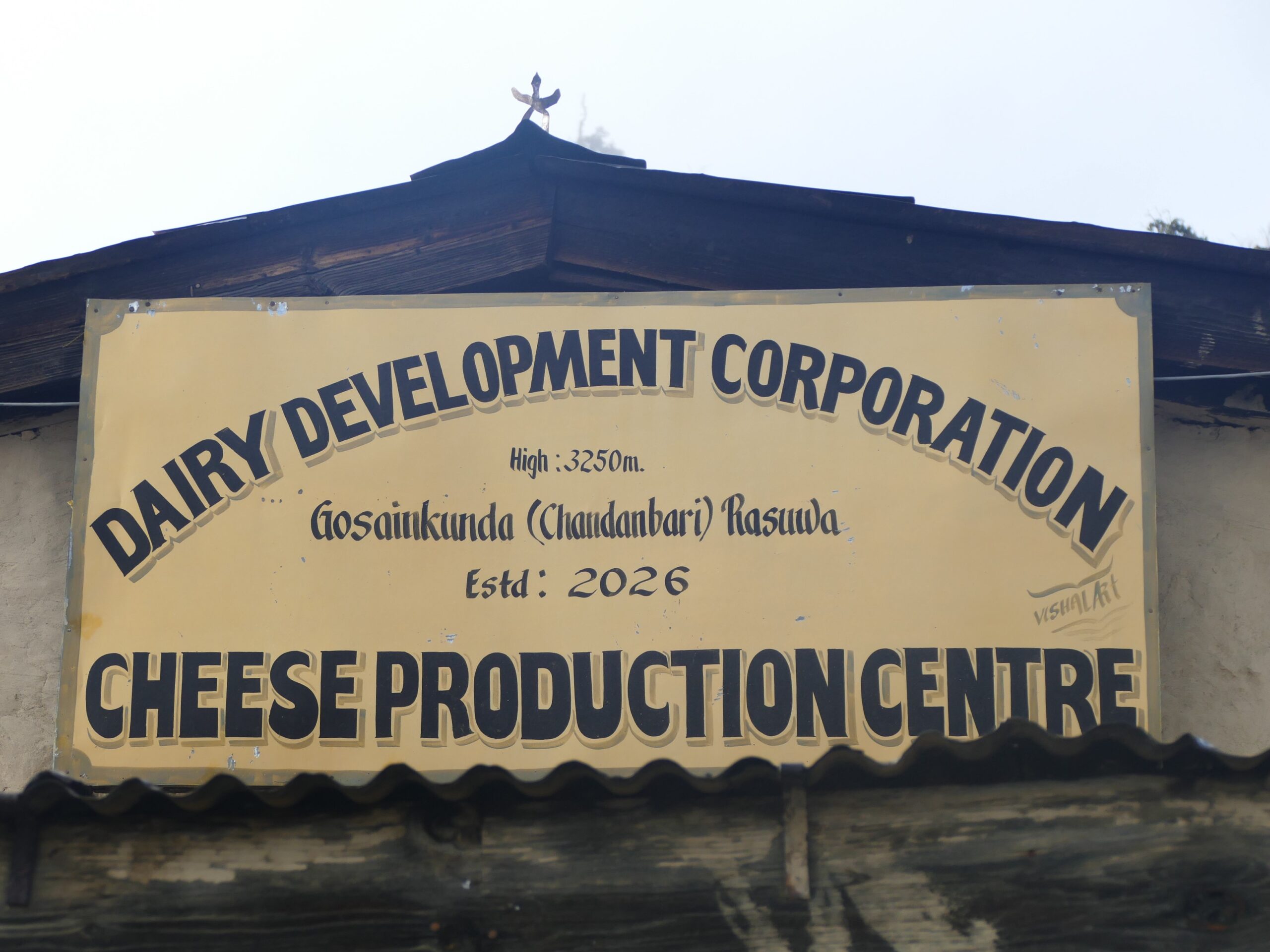
We embark on a steep ascent through tranquil forests adorned with hemlock, oak, and vibrant rhododendrons. Despite the shorter distance, the significant elevation gain of approximately 1,000 meters from Thulo Syabru to Sing Gompa necessitates a measured pace for acclimatization. After 6 hours, we reach Sing Gompa and settle into a local teahouse. You can explore the village, visit the monastery to delve into Buddhist culture, and take a short walk to the nearby cheese factory in Chandanbari to observe traditional cheese-making processes. In the evening, enjoy the breathtaking sunset views over Ganesh Himal.
Accommodation: Teahouse
Meals: Breakfast, Lunch, Dinner

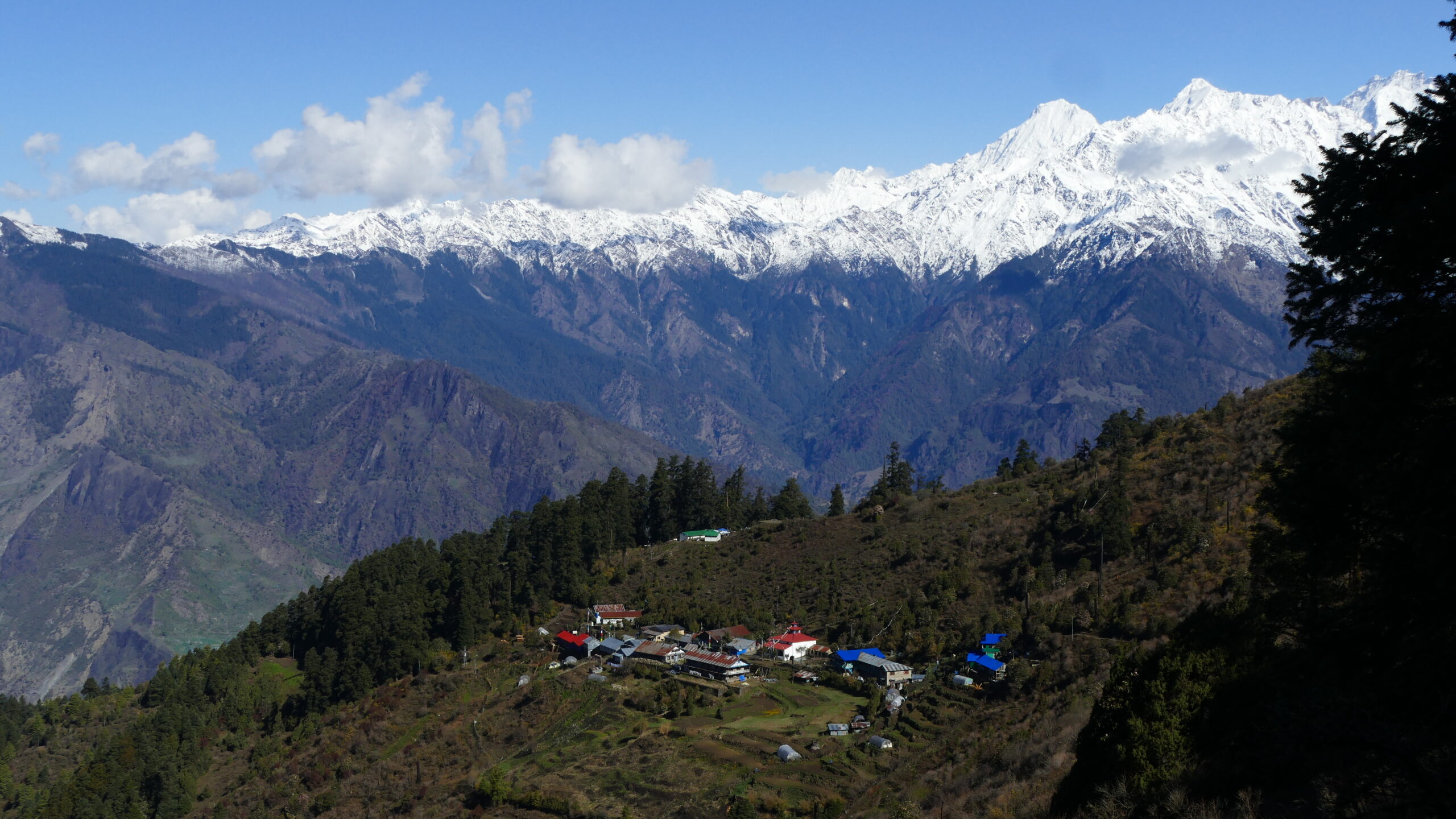
Today is a well-deserved rest day to allow your body to adjust to the altitude before the higher trek over Lauribina Pass (4,610m/15,124ft). You can relax and soak in the peaceful surroundings of Sing Gompa or take a short walk around the area for some light exploration. This day also provides an opportunity to visit the local monastery and cheese factory.
Accommodation: Teahouse
Meals: Breakfast, Lunch, Dinner
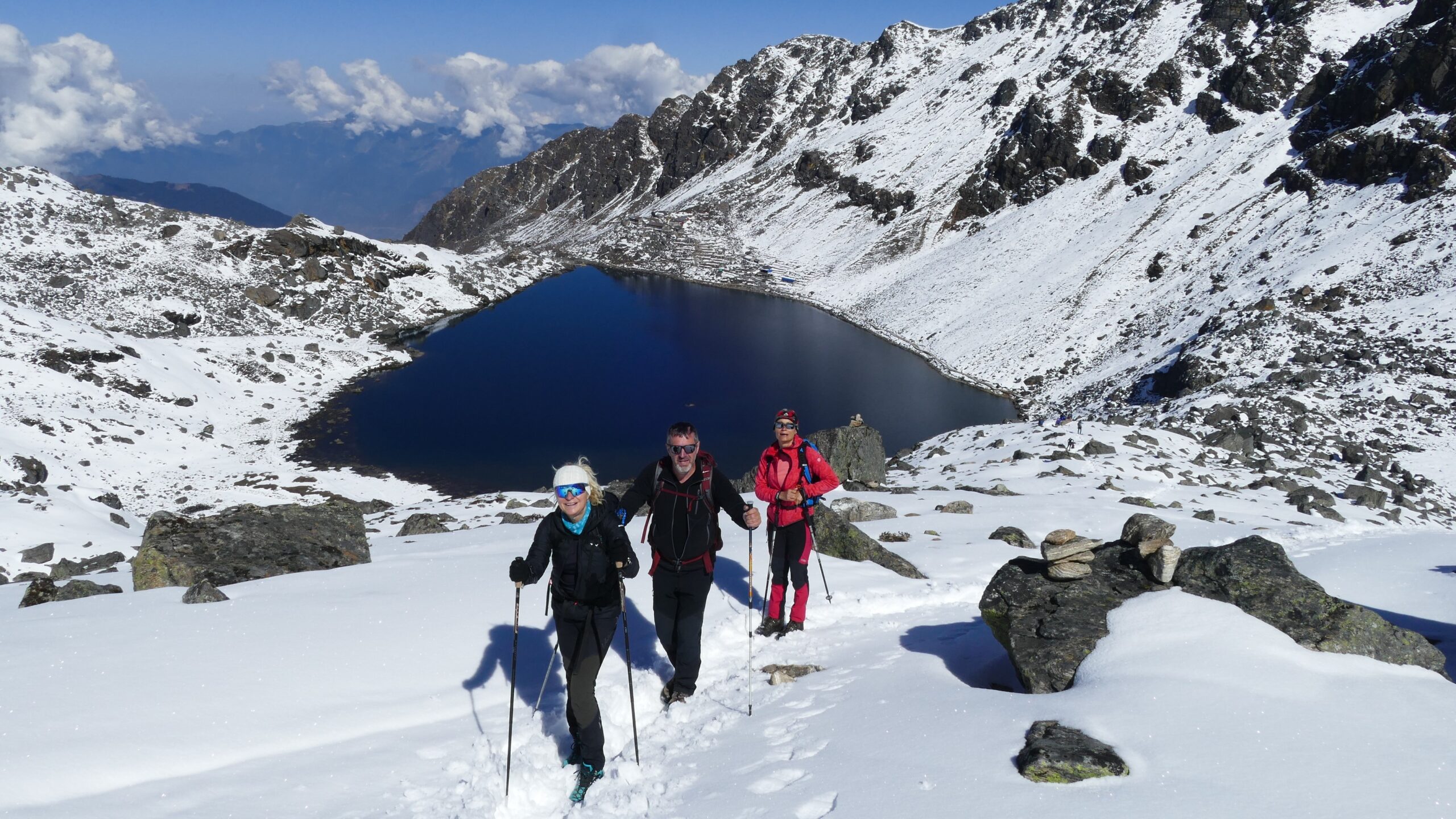
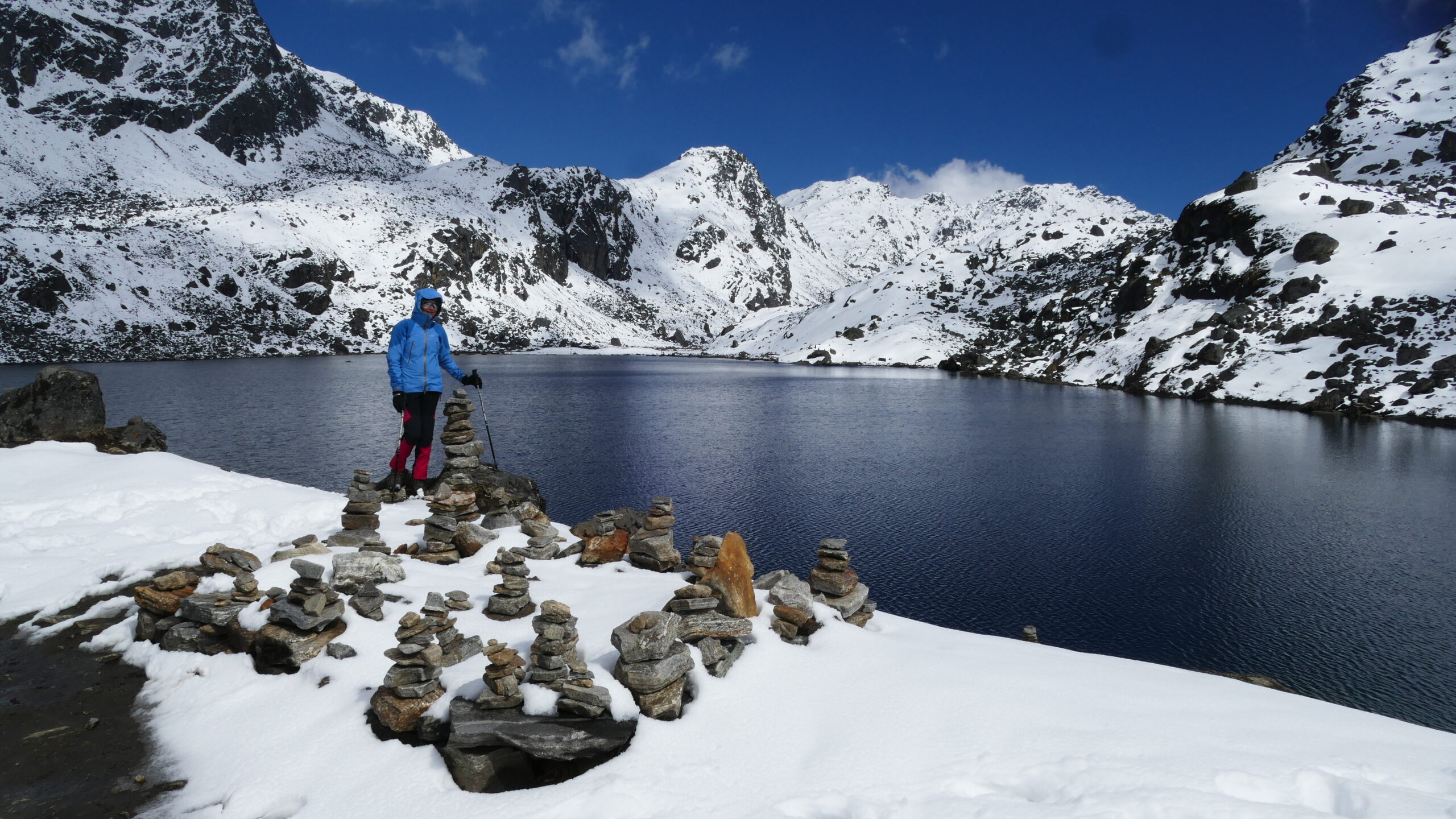
Today’s journey takes us above 4,000 meters, requiring a slow and steady pace. The trail begins through lush green forests, where glimpses of snow-capped peaks appear between towering pine trees. As we ascend, we are rewarded with spectacular views of the Ganesh Himal, Hiunchuli, Manaslu, and Annapurna ranges. Along the way, we pass three sacred lakes—Saraswati Kunda, Bhairab Kunda, and Gosaikunda—each holding deep spiritual significance in Hindu and Buddhist traditions. According to local legends, a rock in Gosaikunda Lake represents a shrine to Lord Shiva. Upon arrival, we settle into a trekking lodge near the lake and take time to admire the serene beauty of Gosaikunda, its clear waters reflecting the surrounding peaks under the vast Himalayan sky.
Accommodation: Teahouse
Meals: Breakfast, Lunch, Dinner
Today, we embark on one of the most challenging yet rewarding sections of the trek as we cross Lauribina La Pass, the highest point of our Langtang journey. We start by trekking along the northern edge of Gosaikunda Lake, gradually climbing toward the pass. Along the way, we encounter a series of small alpine lakes and breathtaking high-altitude landscapes. Upon reaching Lauribina La Pass, a stone stupa and colorful prayer flags mark this spiritual and physical milestone. The summit provides panoramic views of the Langtang range, Annapurna, and Ganesh Himal. Our descent leads us through a dramatic valley to High Camp (4,240m/13,911ft) and further down to Phedi, where we stop for a well-earned rest. From here, we continue along a rugged but scenic trail, crossing a footbridge over a mountain stream before the final steady ascent to Ghopte. This long and demanding trek is a true adventure, taking us through high-mountain passes, glacial lakes, and alpine ridges.
Accommodation: Teahouse
Meals: Breakfast, Lunch, Dinner
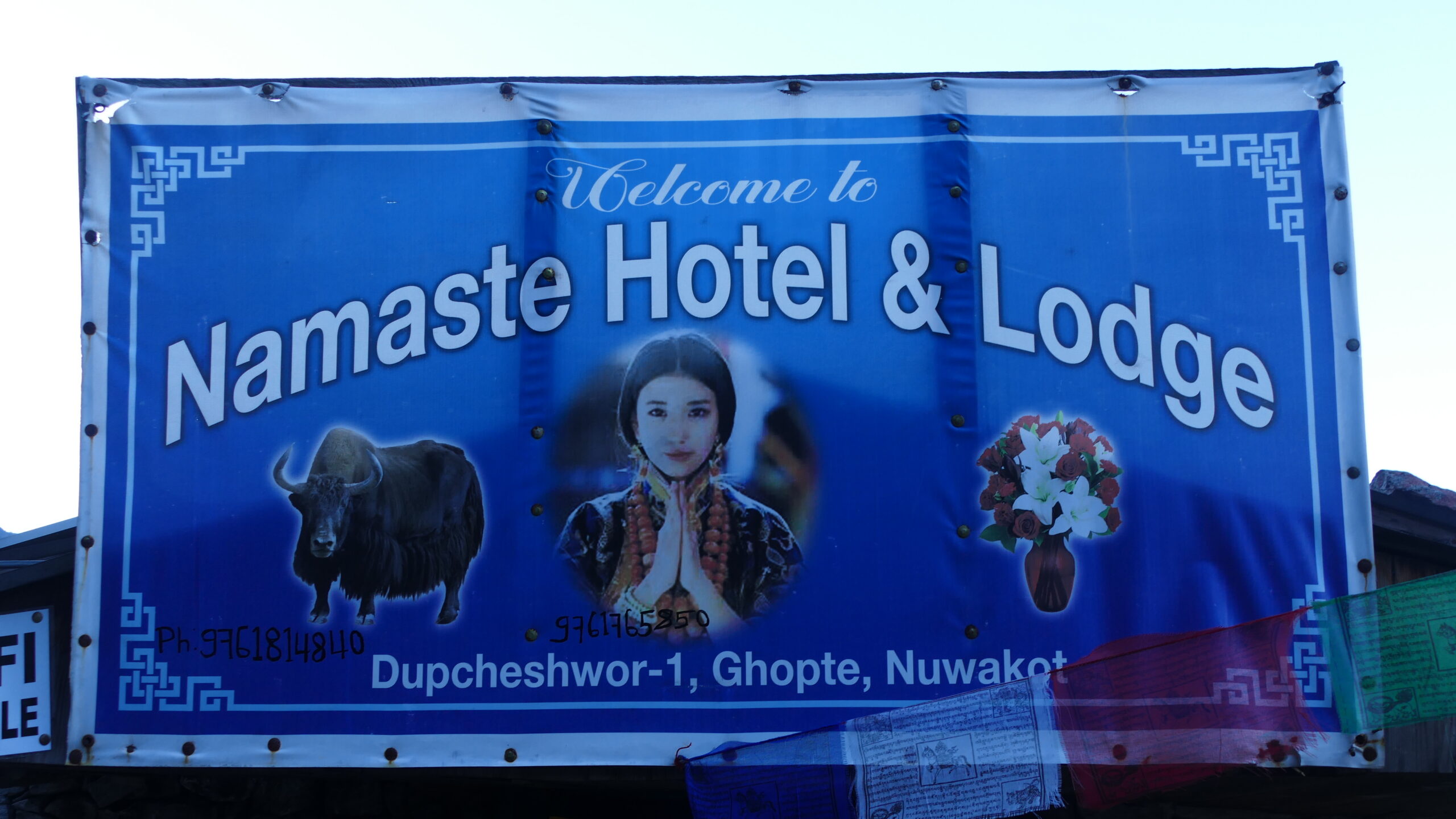
Descending from Ghopte, we enter the Helambu region, known for its lush forests and picturesque villages. The trail winds through juniper, rhododendron, and pine forests, offering a peaceful contrast to the high-altitude landscapes of the previous days. After trekking for a few hours, we reach Tharepati, a small settlement with incredible views of the surrounding Himalayan peaks. From here, the trail follows a gentle ridge through open meadows with old shepherd huts before descending toward Magin Goth. As we continue, we pass Kuala Bhanjyang and finally arrive in Kutumsang, a charming village nestled among terraced fields and rolling hills.
Accommodation: Teahouse
Meals: Breakfast, Lunch, Dinner
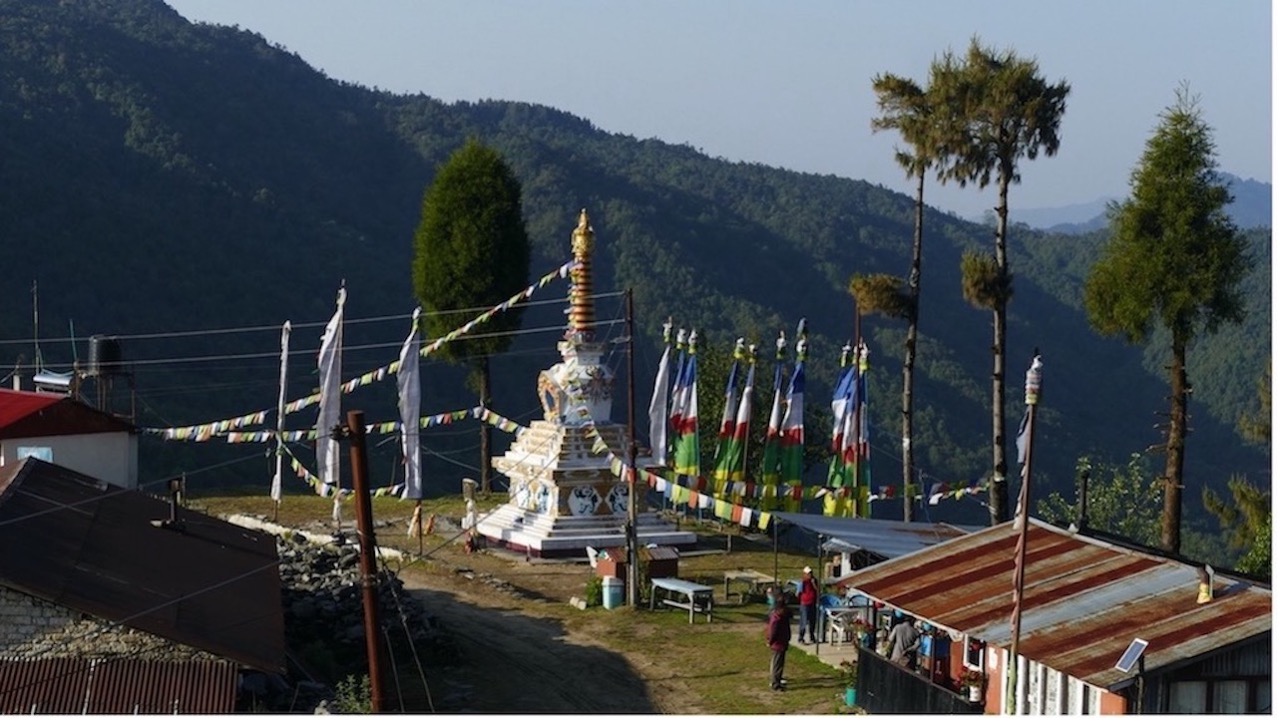
After breakfast, we begin our journey back to Kathmandu by private vehicle, traveling through Melamchi Pul. The drive offers stunning scenery, passing traditional villages, terraced farmlands, and lush green hills. As we descend, the transition from rugged mountains to fertile valleys becomes evident, marking our return to urban life. Upon arrival in Kathmandu checked into your hotel, enjoy the rest of the day at your own pace. You may choose to explore Thamel’s vibrant streets, visit nearby cultural landmarks, do some shopping, or simply unwind and reflect after your incredible Himalayan adventure
Accommodation: Hotel
Meals: Breakfast and Lunch
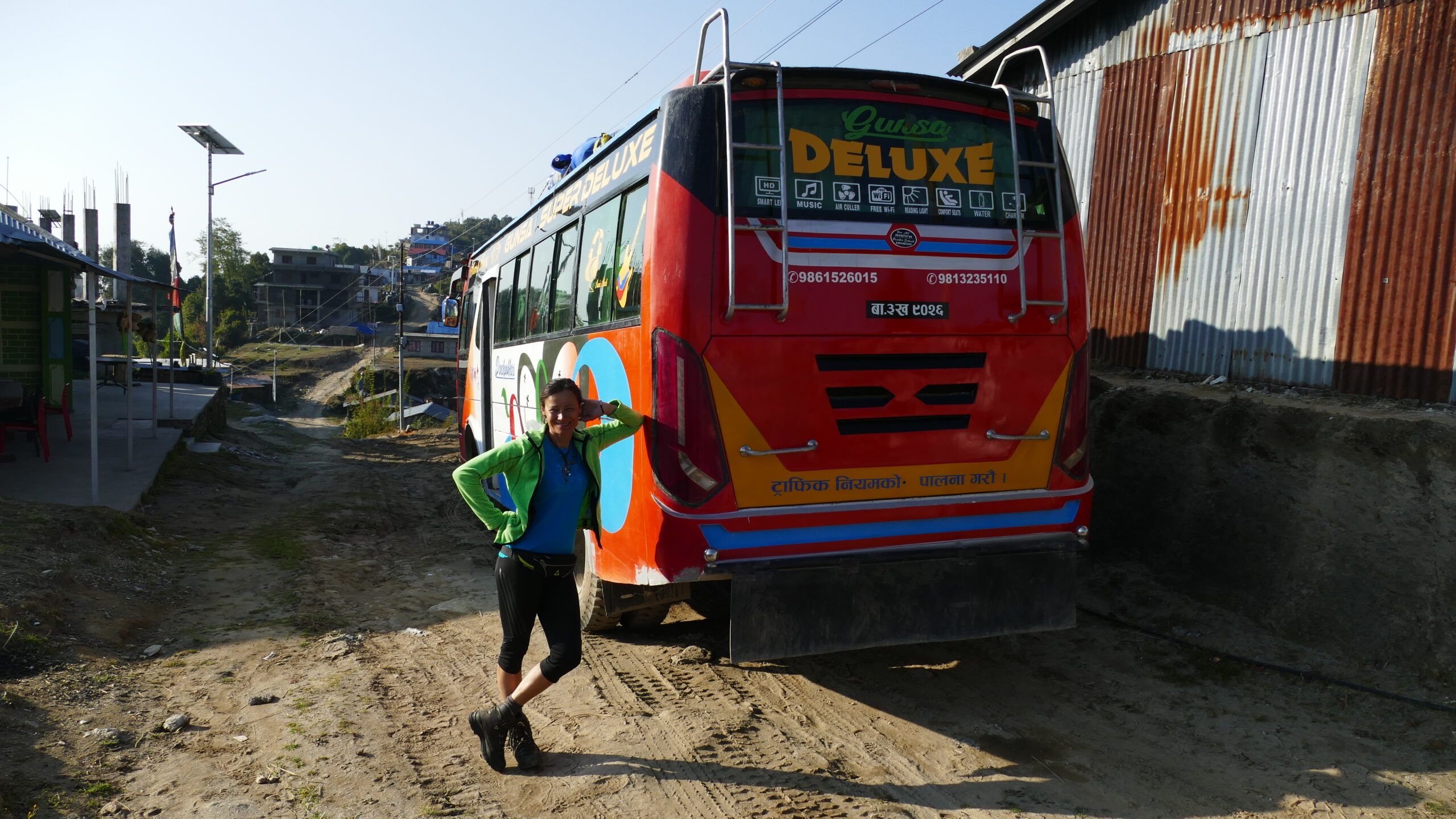
Today is a free day to enjoy Kathmandu at your own pace. After days of trekking in the Himalayas, this is the perfect opportunity to relax, explore, or experience more of the city’s rich culture and vibrant atmosphere.
You may choose to shop for souvenirs, revisit favorite places, or discover new cultural sites you may have missed earlier. Wander through local markets, explore historic temples and courtyards, or simply unwind at a cozy café while enjoying a cup of coffee and watching daily life unfold around you.
Whether you prefer rest or exploration, the day is entirely yours to enjoy. Should you need recommendations or assistance planning your activities, we are always happy to help make your day memorable.
Accommodation: Hotel
Meals: Breakfast
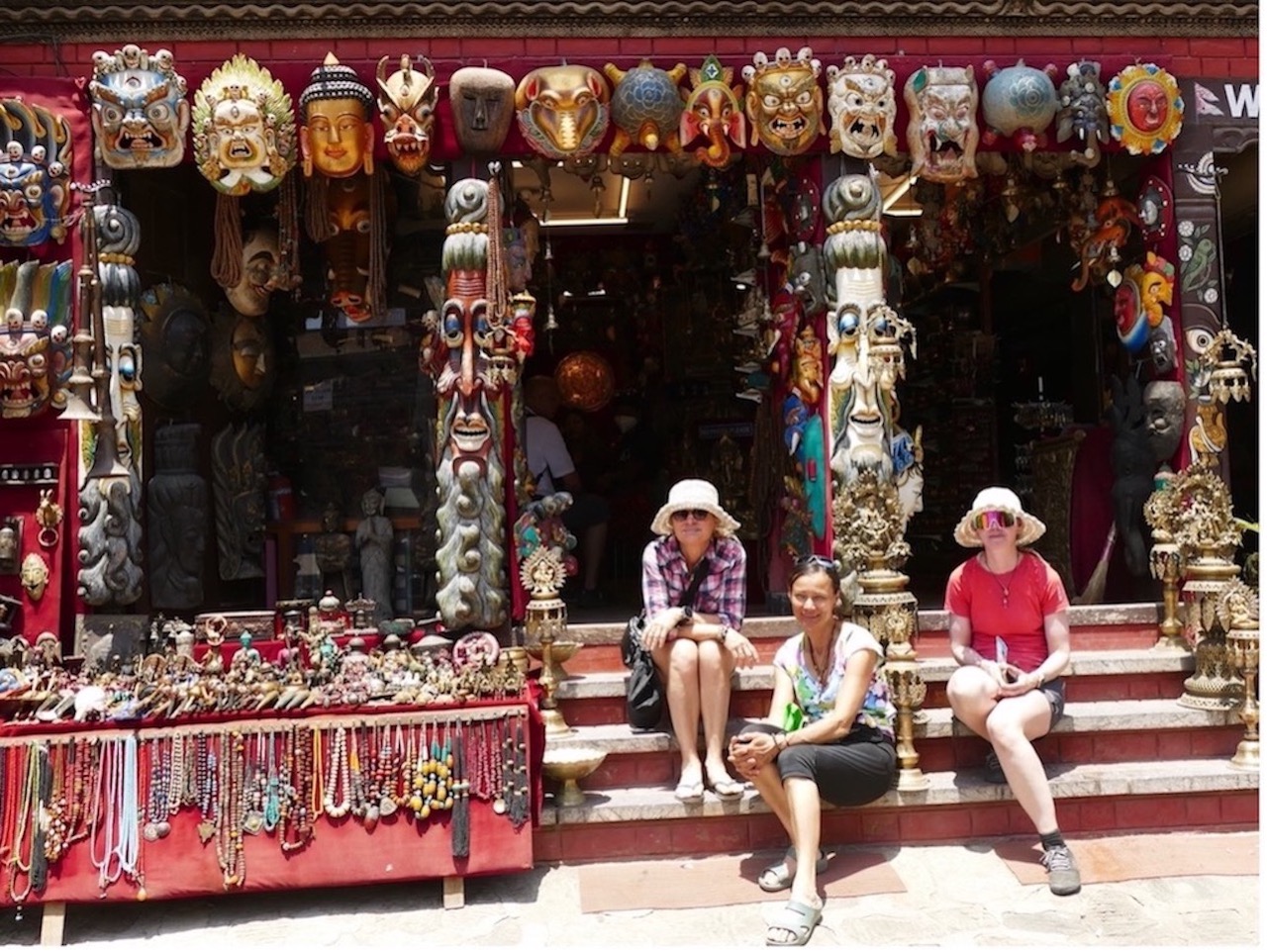
As your unforgettable journey in Nepal comes to a close, enjoy your final moments in Kathmandu — perhaps with a peaceful walk through the neighborhood, a last cup of authentic Nepali tea, or some final souvenir shopping.
According to your flight schedule, our team will arrive at your hotel on time to transfer you to Tribhuvan International Airport for your international departure. Please ensure you check in at least 2–3 hours prior to your flight.
We sincerely thank you for choosing to explore the natural beauty and rich culture of Nepal with us. It has been a true pleasure to host you, and we hope your journey has been filled with meaningful experiences and lasting memories.
Wishing you safe and pleasant travels ahead — and we look forward to welcoming you back to Nepal again someday.
Accommodation: None
Meals: Breakfast
16 Nights / 17 Days (arrival to departure) – Detailed Itinerary
Welcome to Kathmandu! Nestled in the heart of the majestic Himalayas, Kathmandu — the vibrant and historic capital of Nepal — extends a warm and heartfelt welcome to you.
If you arrive on a clear day, your descent into Tribhuvan International Airport may reward you with breathtaking views of snow-capped Himalayan peaks — a spectacular first glimpse of the adventure that awaits.
Upon arrival, our friendly team will be waiting just outside the arrivals hall, holding a sign with your name or our company logo for easy identification. We will assist you with your luggage and provide a smooth and comfortable transfer to your hotel, conveniently located in the heart of the city.
After check-in, you will be welcomed with a refreshing drink and given time to relax and settle into your room. Later, we will host a detailed trip briefing where you will receive important information about your upcoming trek or tour, including itinerary logistics, safety guidelines, and equipment preparation. We will also assist with currency exchange for personal expenses in Kathmandu and during the trek, and gladly answer any questions you may have.
Depending on your arrival time, you may choose to take a short walk through the lively streets, explore colorful local markets, or visit nearby temples and stupas rich in culture and history. Alternatively, you may simply rest and recover from your journey. Whether you relax or explore, you can feel assured that your Himalayan adventure has begun in good hands.
Accommodation: Hotel
Your second day in Kathmandu is filled with cultural discovery and final preparations for your upcoming trekking adventure. After breakfast, you will enjoy a guided sightseeing tour of several UNESCO World Heritage Sites that showcase Nepal’s rich history, spirituality, and architectural beauty.
Kathmandu Durbar Square: Step back in time as you explore ancient palaces, courtyards, temples, and shrines that reflect Nepal’s royal history and remarkable craftsmanship.
Swayambhunath Stupa (Monkey Temple): Perched atop a hill overlooking the Kathmandu Valley, this sacred Buddhist site offers panoramic views of the city. Experience its peaceful atmosphere while observing prayer rituals and the playful monkeys that inhabit the area.
Pashupatinath Temple: Visit Nepal’s most sacred Hindu temple, situated along the banks of the Bagmati River. Here, you can observe traditional religious ceremonies and experience the deeply spiritual ambiance of this important pilgrimage site.
Boudhanath Stupa: One of the largest stupas in the world and a center of Tibetan Buddhist culture, Boudhanath radiates tranquility. Walk alongside pilgrims spinning prayer wheels, admire the magnificent structure, and watch colorful prayer flags flutter in the breeze.
In the evening, we will gather for a final trip briefing to review important trekking details, confirm logistics, and ensure all equipment is properly prepared. This is an excellent opportunity to ask any last-minute questions before the journey begins. Rest well tonight — tomorrow marks the start of your exciting Himalayan adventure.
Accommodation: Hotel
Meals: Breakfast and Lunch
After an early breakfast, we depart Kathmandu and begin our scenic drive northwest toward Syabrubesi, the gateway to the Langtang Valley. The journey follows winding mountain roads alongside rivers, passing terraced farmland, traditional villages, and beautiful countryside landscapes. On clear days, distant views of snow-capped Himalayan peaks may appear along the route.
The road remains relatively smooth until reaching Trishuli Bazaar, after which it becomes more rugged as we gradually ascend toward Dhunche, the administrative center of the Langtang region. From Dhunche, the road descends through forested hillsides to Syabrubesi, a lively riverside town marking the starting point of our trek.
Upon arrival, you may relax at the teahouse, explore the village, or enjoy the nearby natural hot springs (time and conditions permitting).
Accommodation: Teahouse
Meals: Breakfast, Lunch, Dinner
Today marks the beginning of our trekking adventure as we journey toward Sherpa Gaun, following a scenic and culturally rich trail. After a hearty breakfast, we leave Syabrubesi and start our walk by crossing a sturdy suspension bridge over the glistening Bhote Koshi River.
The trail then ascends steadily through forested hillsides, offering rewarding views as we gain altitude. Along the way, we experience the unique culture and lifestyle of the Tamang and Sherpa communities, whose heritage traces back to Tibetan roots. The climb brings us to Khanjima Village, a picturesque settlement known for its beautiful viewpoints and traditional mountain atmosphere.
Although the ascent is challenging, this newer route provides a quieter and more scenic alternative to the traditional gorge trail. In Khanjima, a charming Buddhist village, we pause for lunch and a well-earned rest while enjoying warm local hospitality and views of the surrounding hills and valleys.
After lunch, the trail becomes more gradual as we walk through lush rhododendron forests, cultivated fields, and peaceful countryside landscapes. By late afternoon, we arrive at Sherpa Gaun, a tranquil village offering impressive mountain views and an authentic Himalayan setting.
Tonight, we stay in a cozy teahouse, surrounded by the calm beauty of the mountains.
Accommodation: Teahouse
Meals: Breakfast, Lunch, Dinner
After breakfast, we continue our journey deeper into the Langtang Valley, trekking toward Ghodatabela. Leaving Sherpa Gaun behind, the trail follows a scenic cliffside route with sections that pass through natural rockfall areas. While these parts require careful walking and awareness, they add a sense of adventure to the day’s trek and offer impressive views of the rugged landscape.
After approximately an hour, the trail gradually descends to Rimche, where we join the main Langtang trekking route. From here, we continue through Lama Hotel and follow the Langtang Khola upstream, walking beneath dense forests of oak, pine, and rhododendron.
As the valley begins to widen, glimpses of the magnificent Langtang Lirung Himal appear, creating a dramatic mountain backdrop throughout the journey. Much of today’s walk takes place within lush forests and deep river gorges, offering a peaceful connection with nature.
Keep an eye out for wildlife along the trail — the region is home to the elusive red panda, Himalayan langur monkeys, Himalayan black bears, and wild boars, though sightings are rare and special.
By afternoon, we arrive at Ghodatabela, a small settlement surrounded by forest and mountain scenery, where we rest for the night.
Accommodation: Teahouse
Meals: Breakfast, Lunch, Dinner
On the sixth day of our Langtang adventure, we journey toward Kyanjin Gompa, an important cultural and scenic highlight of the valley. This remote settlement, nestled among towering snow-capped peaks, represents the last inhabited area along this route by Tibetan communities.
Perched at an altitude of 3,830 m / 12,565 ft, Kyanjin Gompa welcomes trekkers with its serene charm, panoramic mountain views, and a deep sense of tranquility.
The trek to Kyanjin Gompa takes approximately 5 hours along a gentle, well-marked mountainside trail. Along the way, we will pass through picturesque villages, including the quaint hamlet of Langtang, and traverse verdant valleys dotted with grazing yaks, horses, and cows. The landscape is dominated by the imposing presence of Langtang Lirung, whose towering summit is a constant companion throughout our journey.
As we move closer to Kyanjin Gompa, the crisp mountain air, sweeping vistas, and peaceful ambiance provide moments of reflection and wonder. This day not only offers breathtaking natural beauty but also a glimpse into the local Tibetan culture, making it a memorable stage of our trek.
Accommodation: Teahouse
Meals: Breakfast, Lunch, Dinner
Today is a rest and exploration day in Kyanjin Village, allowing us to acclimatize, soak in the scenery, and experience the unique charm of this high-altitude settlement. For those eager for adventure, there are several rewarding day hikes to choose from:
The choice of destination can be tailored to the group’s interests, fitness levels, and energy, ensuring a personalized and rewarding experience for everyone.
Accommodation: Teahouse
Meals: Breakfast, Lunch, Dinner
Today we begin our descent from Kyanjin Gompa, leaving behind the high alpine landscape and gradually returning to the lush forests and river valleys below. Although we follow the same trail used during the ascent, the journey offers a completely different perspective as the snow-covered peaks slowly fade into the distance and the Langtang Valley opens beneath us.
The trail passes through Langtang Village, Thyangsyap, and Ghodatabela, winding through beautiful forests of pine, oak, and rhododendron. The downhill walk is easier for breathing at lower altitude, though it can be more demanding on the knees, making trekking poles especially helpful for comfort and stability.
Following the Langtang Khola downstream, we arrive by afternoon at Lama Hotel — a peaceful settlement nestled beside the river. The warmer air, green surroundings, and soothing sound of flowing water create a relaxing and rewarding stop after several days at higher elevation.
Accommodation: Teahouse
Meals: Breakfast, Lunch, Dinner
Today’s trek descends to the banks of the Langtang Khola, where a charming waterfall awaits. The trail meanders through rhododendron and bamboo forests, habitats for wildlife such as wild boars and monkeys. Stay observant to spot these creatures. Distant views of Ganesh Himal add to the day’s allure. After crossing a suspension bridge over the Langtang Khola, we arrive at the scenic village of Thulo Syabru.
Accommodation: Teahouse
Meals: Breakfast, Lunch, Dinner
We embark on a steep ascent through tranquil forests adorned with hemlock, oak, and vibrant rhododendrons. Despite the shorter distance, the significant elevation gain of approximately 1,000 meters from Thulo Syabru to Sing Gompa necessitates a measured pace for acclimatization. After 6 hours, we reach Sing Gompa and settle into a local teahouse. You can explore the village, visit the monastery to delve into Buddhist culture, and take a short walk to the nearby cheese factory in Chandanbari to observe traditional cheese-making processes. In the evening, enjoy the breathtaking sunset views over Ganesh Himal.
Accommodation: Teahouse
Meals: Breakfast, Lunch, Dinner
Today is a well-deserved rest day to allow your body to adjust to the altitude before the higher trek over Lauribina Pass (4,610m/15,124ft). You can relax and soak in the peaceful surroundings of Sing Gompa or take a short walk around the area for some light exploration. This day also provides an opportunity to visit the local monastery and cheese factory.
Accommodation: Teahouse
Meals: Breakfast, Lunch, Dinner
Today’s journey takes us above 4,000 meters, requiring a slow and steady pace. The trail begins through lush green forests, where glimpses of snow-capped peaks appear between towering pine trees. As we ascend, we are rewarded with spectacular views of the Ganesh Himal, Hiunchuli, Manaslu, and Annapurna ranges. Along the way, we pass three sacred lakes—Saraswati Kunda, Bhairab Kunda, and Gosaikunda—each holding deep spiritual significance in Hindu and Buddhist traditions. According to local legends, a rock in Gosaikunda Lake represents a shrine to Lord Shiva. Upon arrival, we settle into a trekking lodge near the lake and take time to admire the serene beauty of Gosaikunda, its clear waters reflecting the surrounding peaks under the vast Himalayan sky.
Accommodation: Teahouse
Meals: Breakfast, Lunch, Dinner
Today, we embark on one of the most challenging yet rewarding sections of the trek as we cross Lauribina La Pass, the highest point of our Langtang journey. We start by trekking along the northern edge of Gosaikunda Lake, gradually climbing toward the pass. Along the way, we encounter a series of small alpine lakes and breathtaking high-altitude landscapes. Upon reaching Lauribina La Pass, a stone stupa and colorful prayer flags mark this spiritual and physical milestone. The summit provides panoramic views of the Langtang range, Annapurna, and Ganesh Himal. Our descent leads us through a dramatic valley to High Camp (4,240m/13,911ft) and further down to Phedi, where we stop for a well-earned rest. From here, we continue along a rugged but scenic trail, crossing a footbridge over a mountain stream before the final steady ascent to Ghopte. This long and demanding trek is a true adventure, taking us through high-mountain passes, glacial lakes, and alpine ridges.
Accommodation: Teahouse
Meals: Breakfast, Lunch, Dinner
Descending from Ghopte, we enter the Helambu region, known for its lush forests and picturesque villages. The trail winds through juniper, rhododendron, and pine forests, offering a peaceful contrast to the high-altitude landscapes of the previous days. After trekking for a few hours, we reach Tharepati, a small settlement with incredible views of the surrounding Himalayan peaks. From here, the trail follows a gentle ridge through open meadows with old shepherd huts before descending toward Magin Goth. As we continue, we pass Kuala Bhanjyang and finally arrive in Kutumsang, a charming village nestled among terraced fields and rolling hills.
Accommodation: Teahouse
Meals: Breakfast, Lunch, Dinner
After breakfast, we begin our journey back to Kathmandu by private vehicle, traveling through Melamchi Pul. The drive offers stunning scenery, passing traditional villages, terraced farmlands, and lush green hills. As we descend, the transition from rugged mountains to fertile valleys becomes evident, marking our return to urban life. Upon arrival in Kathmandu checked into your hotel, enjoy the rest of the day at your own pace. You may choose to explore Thamel’s vibrant streets, visit nearby cultural landmarks, do some shopping, or simply unwind and reflect after your incredible Himalayan adventure
Accommodation: Hotel
Meals: Breakfast and Lunch
Today is a free day to enjoy Kathmandu at your own pace. After days of trekking in the Himalayas, this is the perfect opportunity to relax, explore, or experience more of the city’s rich culture and vibrant atmosphere.
You may choose to shop for souvenirs, revisit favorite places, or discover new cultural sites you may have missed earlier. Wander through local markets, explore historic temples and courtyards, or simply unwind at a cozy café while enjoying a cup of coffee and watching daily life unfold around you.
Whether you prefer rest or exploration, the day is entirely yours to enjoy. Should you need recommendations or assistance planning your activities, we are always happy to help make your day memorable.
Accommodation: Hotel
Meals: Breakfast
As your unforgettable journey in Nepal comes to a close, enjoy your final moments in Kathmandu — perhaps with a peaceful walk through the neighborhood, a last cup of authentic Nepali tea, or some final souvenir shopping.
According to your flight schedule, our team will arrive at your hotel on time to transfer you to Tribhuvan International Airport for your international departure. Please ensure you check in at least 2–3 hours prior to your flight.
We sincerely thank you for choosing to explore the natural beauty and rich culture of Nepal with us. It has been a true pleasure to host you, and we hope your journey has been filled with meaningful experiences and lasting memories.
Wishing you safe and pleasant travels ahead — and we look forward to welcoming you back to Nepal again someday.
Accommodation: None
Meals: Breakfast
The Langtang Valley, Gosainkunda Lake & Lauribina La Pass Trek is located inside Langtang National Park, north of Kathmandu near the Tibetan border. The region is renowned for dramatic Himalayan scenery, Tibetan-influenced culture, sacred alpine lakes, and diverse landscapes ranging from lush forests and traditional villages to high Himalayan terrain. It offers a unique combination of mountain vistas, cultural encounters, sacred lakes, and a high Himalayan pass in one journey — all within easy reach of Kathmandu — making it one of Nepal’s most varied and rewarding moderate trekking adventures.
The trek lasts 16 nights / 17 days (arrival to departure) and includes airport transfers, cultural sightseeing in Kathmandu, scenic drives, trekking days, acclimatization hikes, a reserve day for flexibility, and leisure time before departure. The trek is graded moderate, suitable for trekkers with good physical fitness and a positive attitude, with daily walks averaging 5–7 hours and gradual altitude gains. The highest viewpoint is Tsergo Ri (4,984 m / 16,351 ft) and the highest overnight stay is near Gosainkunda Lake (4,380 m).
Accommodation includes tourist-standard hotels in cities, typically on a twin-sharing basis with private bathrooms, and traditional mountain teahouses along the trek, usually twin-sharing with shared bathrooms and cozy dining areas. Private teahouse rooms cannot be guaranteed during peak season but may be available in non-peak season. In Kathmandu, private rooms can be arranged for an extra charge. Extra nights in Kathmandu can also be arranged if needed. Guests also have the option to upgrade city hotels to 5-star level for added comfort.
A healthy breakfast is provided in the cities, and during the trek, three meals per day (breakfast, lunch, and dinner) are included, featuring Nepali, Tibetan, and international dishes such as dal bhat, noodles, soups, potatoes, eggs, pancakes, pasta, and bread, each served with a hot drink (tea, coffee, hot chocolate, or hot lemon water); additional drinks or snacks are at your own expense. Most teahouses offer vegetarian meals, making it easy for vegetarians, and vegetarian options are recommended to reduce the risk of food-related issues, with many dishes including garlic to help acclimatization.
Natural Spring or tap water is available along the trek and in guesthouses, but it must be treated before drinking. You should bring water purification tablets, drops, or a personal filter to make water safe. Boiled or hot water is also available at most teahouses for USD 2–5 per liter, with prices higher at greater altitudes. Bring a water bottle or hydration pack that can hold hot and cold water.
In major locations, guesthouses have running showers, especially at lower altitudes. At higher elevations, running showers may not be available, but warm water in a bucket can usually be provided for bathing. Showers typically cost USD 2–4, with prices increasing at higher altitudes. Some teahouses offer laundry services for an extra charge, but drying may take longer than a day, so it’s recommended to bring enough clothing and not rely solely on laundry services.
Most villages provide electricity for charging devices, usually for a small fee (USD 1–5 per charge); bring Type C and Type D plug adaptors or buy them in Kathmandu. Wi-Fi is available in many teahouses but may be slow at higher altitudes, and mobile network coverage is limited in some areas, giving trekkers a chance to disconnect and enjoy the mountains.
A trekking guide supports navigation, daily logistics, and alternative plans in unexpected situations. Our guides are experienced, government-licensed professionals who prioritize your safety, comfort, and overall trekking experience. Most begin their careers as porters, work for 3–4 years, and then become licensed guides. They speak English, learned through real-world trekking experience and daily interaction with international travelers rather than formal classroom training. While they communicate effectively, English is not their first language, so fluency may not match that of native speakers. Guides also assist with communication along the trail, especially since many locals, including shopkeepers and teahouse hosts, may not speak English. Trekking with a guide is highly recommended for safety, smooth logistics, and a deeper understanding of the region.
Pack light and carry a personal backpack of about 8–9 kg (17–22 lbs) with essentials such as water, camera, snacks, sunscreen, a warm jacket, and personal items. Your main luggage is carried by porters, usually one porter for two trekkers, with a combined weight limit of 15–20 kg (33–44 lbs), and a durable duffel bag is provided. Free luggage storage is available at our office in Kathmandu, and most hotels also offer complimentary storage during your trek.
The main trekking season runs from mid-September to May, when mountain conditions are generally favorable, although Himalayan weather can always be unpredictable. Spring (March–June) offers clear skies and blooming rhododendrons, with daytime temperatures around 20 °C and nights dropping to about –15 °C above 4,000 m. Monsoon (July–mid-September) brings rainfall at lower elevations and slippery trails but fewer trekkers, with daytime temperatures around 22 °C and nights near –5 °C above 4,000 m. Autumn (late September–November) is considered the best season due to stable weather and clear mountain views, with daytime temperatures around 17 °C and nights down to –15 °C. Winter (December–February) features cold but quiet trails, with daytime temperatures around 10 °C and nights reaching –20 °C above 4,000 m. Inside teahouses conditions are warmer, and if needed our guide will arrange extra blankets from the teahouse.
The trek is graded moderate and is beginner-friendly, with no technical climbing required. It is safe for solo and female travelers, especially when accompanied by a licensed guide. Local communities along the trail are welcoming and hospitable, and teahouses provide a friendly and secure trekking environment.
Are there age restrictions? Participants should be able to walk several hours each day on uneven terrain with uphill and downhill sections, and regular walking, hiking, or light cardio training is recommended to prepare. Prior trekking experience is not required. There are no strict age limits; families with children as young as 5 have successfully completed treks, and some participants have trekked comfortably into their late 70s.
At higher altitudes the air contains less oxygen, so proper acclimatization is essential; the itinerary includes gradual ascents and acclimatization days at Kyanjin Gompa and Sing Gompa, with continuous guidance from professional trekking guides. Guides carry pulse oximeters to monitor oxygen levels and local SIM cards to maintain communication with Kathmandu. In case of illness or emergency, assistance may include arranging horses or mules for descent or organizing helicopter evacuation when necessary.
Along the trek, you will experience authentic Tamang and Sherpa villages, visit monasteries, and observe traditional Himalayan lifestyles. Mountain views include Langtang Lirung (7,227 m), Ganesh Himal, Manaslu, and Annapurna ranges. Wildlife sightings may include Himalayan thar, musk deer, langur monkeys, and various alpine birds. With some luck, you might even spot the elusive Red panda.
Carrying USD 15–20 per person per day is usually sufficient for personal expenses during the trek, covering drinks, snacks, hot showers, laundry, device charging, and meals in cities not included in the package. Cash is preferred in remote trekking areas where credit cards are rarely accepted. In Kathmandu, payments can be made in USD or by credit card (Visa, MasterCard, Amex) with an approximate 4% transaction fee; bring USD 50 or 100 bills printed after 2009. ATMs and money exchange centers are widely available in Kathmandu.
Yes, all kinds of clothing and trekking equipment, from local to branded products, are easily available in Kathmandu (Thamel) for purchase or rental, including sleeping bags. For trekking in the Langtang region, a sleeping bag rated to –15 °C (5 °F) is recommended. Extra blankets can also be requested from teahouses if needed for additional warmth.
Tipping is customary and appreciated in Nepal’s trekking industry as a way to show gratitude for the hard work and support provided by your guide and porter throughout the trek. While not mandatory, it is generally recommended to allocate around 10% of your total trek cost for tipping, depending on your group size, trek duration, and satisfaction with the service. Detailed tipping guidelines will be shared during the pre-trip briefing in Kathmandu, and the final amount is always at your personal discretion.
Transportation includes airport transfers in Kathmandu, scenic drives to and from the trek starting point, and any necessary local transfers along the route. Vehicles are comfortable and may include private or shared jeeps, buses, cars, minibuses, or 4WD SUVs depending on group size and road conditions, ensuring smooth travel between cities, trailheads, and key points before and after the trek.